
The program, launched in May, offers up to 6,000 euros to households purchasing vehicles priced under 30,000 euros. While proponents argue the initiative has already driven a sharp rise in new registrations, critics claim the structure favors foreign brands that dominate the budget-friendly segment. Despite this political tension, federal data indicates that Chinese vehicles currently account for less than 15 percent of total subsidy applications.
German EV subsidies spark political backlash over Chinese market share
A 3-billion-euro subsidy scheme intended to boost electric vehicle adoption among low-income German households has triggered a legislative outcry. Lawmakers from the CDU/CSU and SPD are pushing to restrict the premiums to European manufacturers, fearing the incentives are inadvertently fueling the rise of affordable Chinese competitors like BYD.
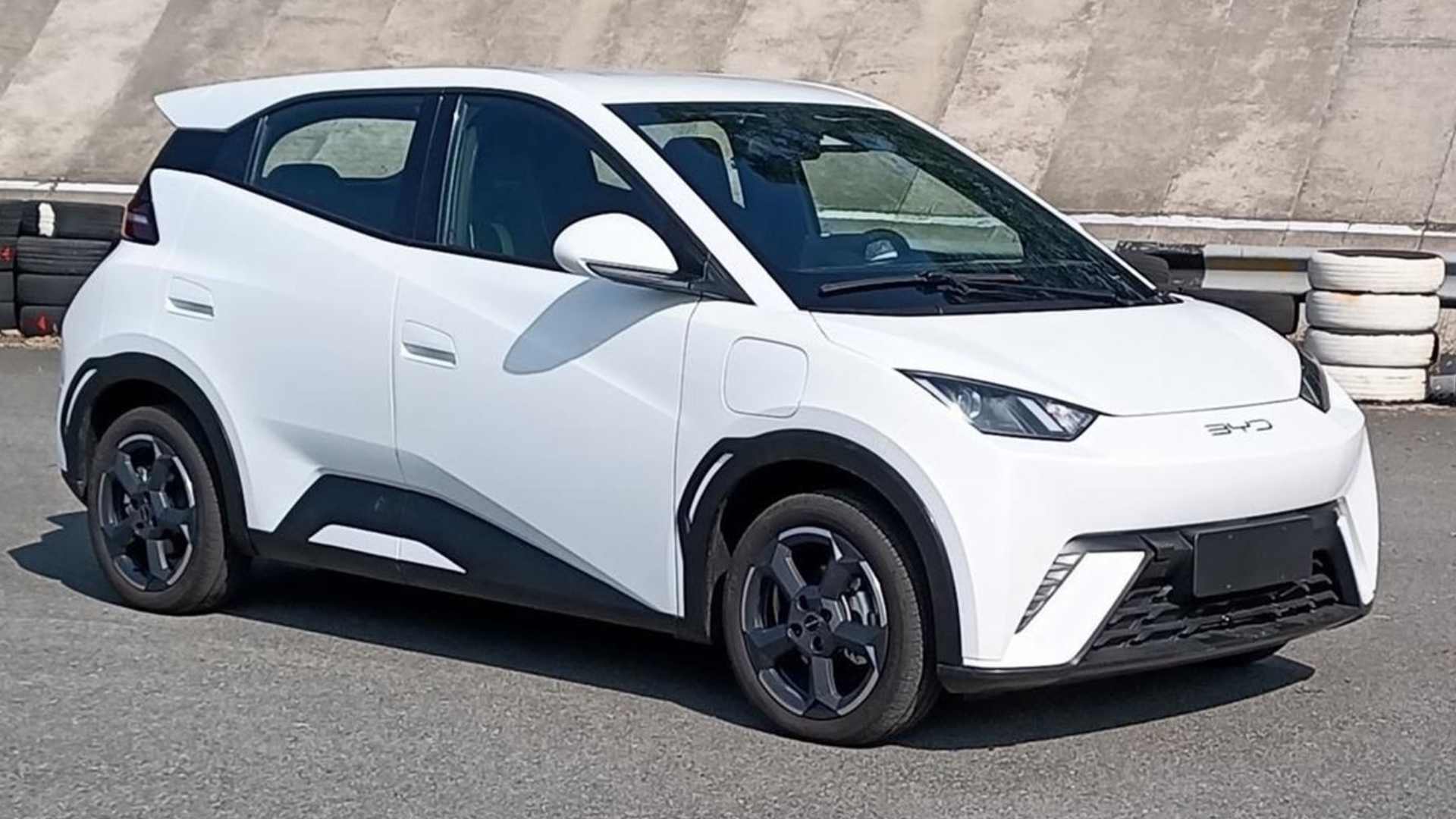
This debate follows a more contentious bonus scheme that expired in 2023, which faced criticism for subsidizing luxury purchases for wealthy buyers and corporations. Under that previous model, Volkswagen, Mercedes, and Tesla emerged as the primary beneficiaries, with Tesla alone receiving 860 million euros. As Volkswagen now faces potential factory closures and significant job cuts, the shift toward supporting economy-class electric vehicles highlights the industry’s struggle to compete with leaner international rivals. Belgian Green MEP Sara Matthieu pointedly noted that the current crisis stems from a long-standing failure to innovate, suggesting that management’s focus remained on legacy issues rather than the rapid advancement of Chinese electric technology.


Comments (0)
No comments yet. Be the first!