
The government has moved with surprising speed to dismantle the infrastructure of the previous regime. Legislative efforts are currently underway to impose strict term limits on prime ministers and members of parliament, effectively closing the door on the long-term consolidation of power that defined the Orbán era. Perhaps most symbolically, the administration has shuttered the Sovereignty Office—a body previously used to target independent journalism—and launched the National Asset Protection and Recovery Office to investigate systemic corruption.
Péter Magyar’s First 100 Days: Can Hungary’s New Leader Break the Mold?
Three months after ending Viktor Orbán’s 16-year grip on power, Prime Minister Péter Magyar faces the grueling test of translating campaign promises into lasting reform. While rapid legislative shifts signal a break from the past, the dual challenges of entrenched economic volatility and media ownership concentration remain significant hurdles for his nascent administration.
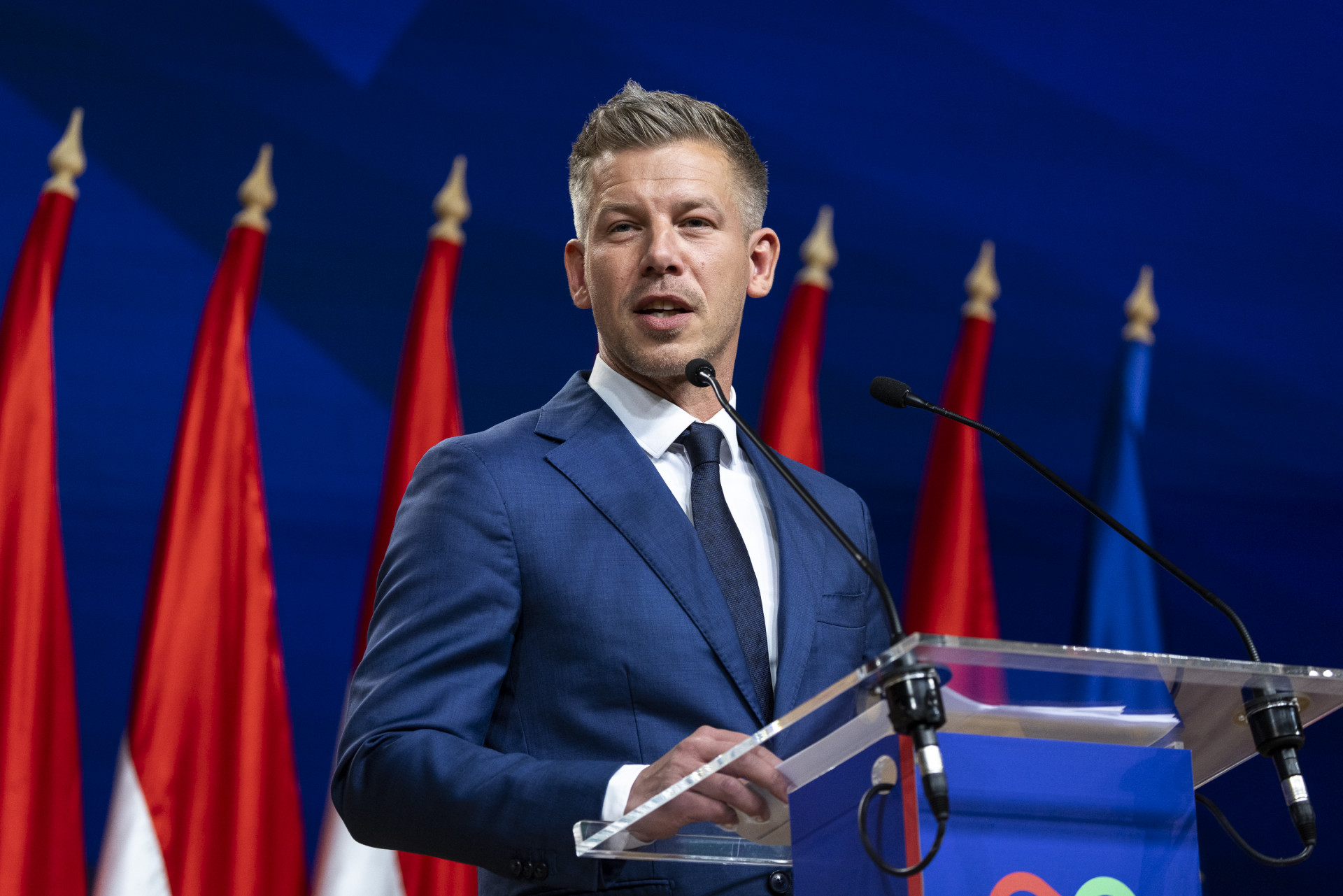
Despite these early wins, skepticism persists regarding the depth of these changes. Critics point to Magyar’s own history within the state apparatus, specifically his tenure at the Hungarian Student Loan Center, as a potential conflict of interest. Furthermore, while the toxic rhetoric and smear campaigns against the press have largely vanished, the underlying media landscape remains stagnant. A vast majority of broadcast and print outlets are still controlled by foundations and individuals loyal to the previous government. Whether Magyar can achieve structural independence in the public media sector or restore economic stability remains an open question as the honeymoon period concludes.


Comments (0)
No comments yet. Be the first!