
Eisai Co., Ltd. reported that its investigational compound, etalanetug (E2814), demonstrated a robust impact on tau tangle pathology, a hallmark of Alzheimer’s disease. In the Phase Ib/II Study 103, the antibody reduced plasma eMTBR-tau243 levels by 78% after three months and over 90% after nine months of treatment. These results closely mirror changes observed in cerebrospinal fluid, positioning the plasma assay as a viable, non-invasive alternative to traditional lumbar punctures or PET scans.
Eisai’s Etalanetug Shows Promise in Targeting Alzheimer’s Tau Pathology
Experimental anti-tau antibody etalanetug significantly reduced levels of the plasma biomarker eMTBR-tau243 in patients with dominantly inherited Alzheimer’s disease, according to new data presented at the 2026 Alzheimer’s Association International Conference in London. The findings suggest a potential shift toward less invasive diagnostic and monitoring tools for the neurodegenerative condition.
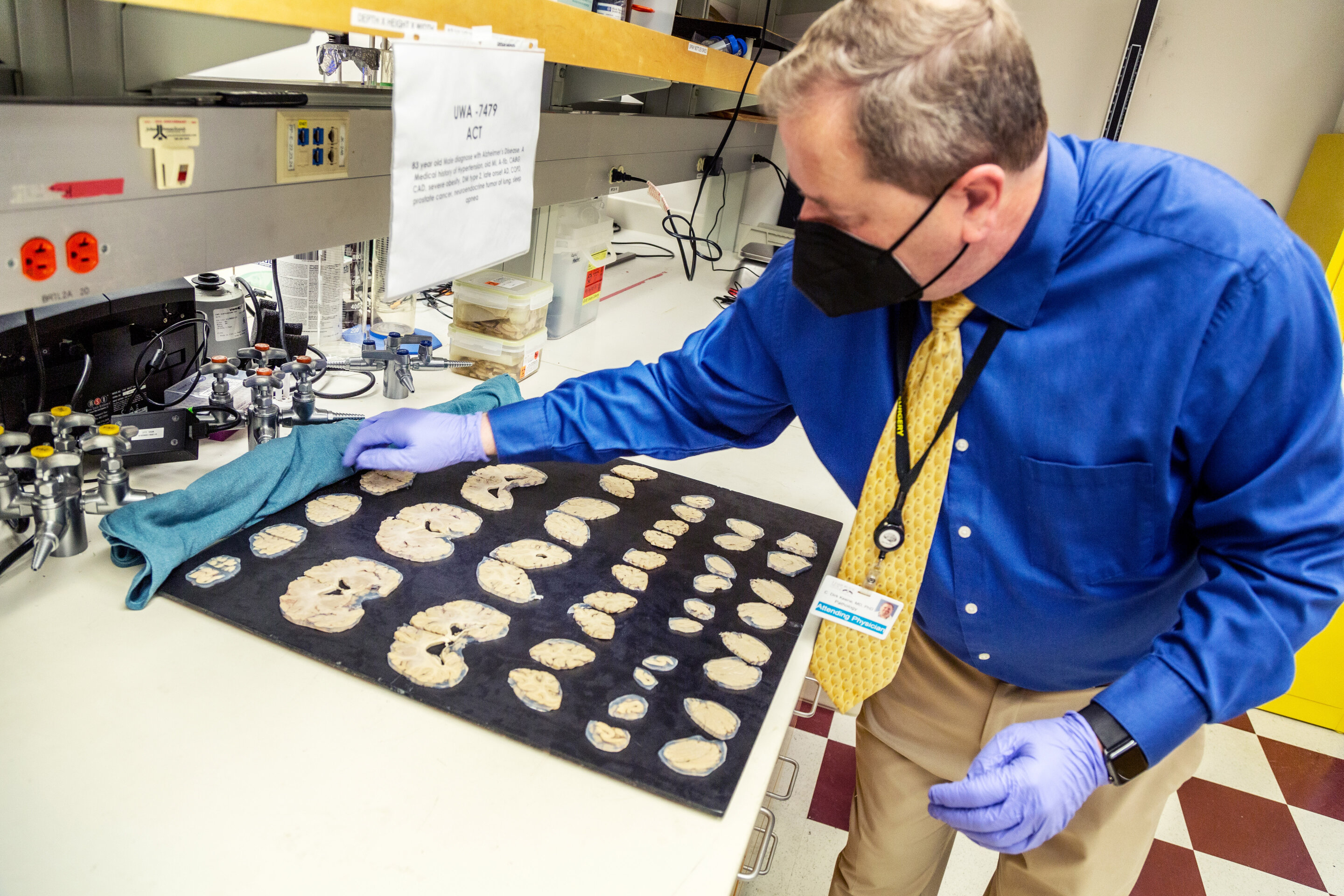
Unlike other tau species that increase in plasma due to peripheral tissue stabilization, eMTBR-tau243 is largely absent in healthy individuals and specifically tracks brain-based tau pathology. The study also marked the first time an anti-tau therapy has been shown to reduce p-tau205 in the cerebrospinal fluid of patients with dominantly inherited Alzheimer's disease, a key marker for late-stage pathology. Etalanetug, discovered in collaboration with University College London, is designed to bind to the microtubule-binding region of the tau protein, effectively preventing the seeding and propagation of tangles throughout the brain. The drug is currently undergoing further evaluation in the Tau NexGen Phase II/III trial and a global study for early sporadic Alzheimer's, both in combination with lecanemab.

Comments (0)
No comments yet. Be the first!