
The project, titled Ecology of War and Peace, integrates six decades of field observations with advanced agent-based modeling. Researchers are utilizing the B3GET model—which simulates virtual primate interactions across artificial landscapes—to test how variables such as food distribution, range size, and social cohesion influence conflict. By applying hybrid quantum-classical computing to these massive datasets, the team aims to identify the specific ecological triggers that dictate whether a population trends toward aggression or coexistence.
Quantum Computing Meets Primatology to Decode Chimpanzee Warfare
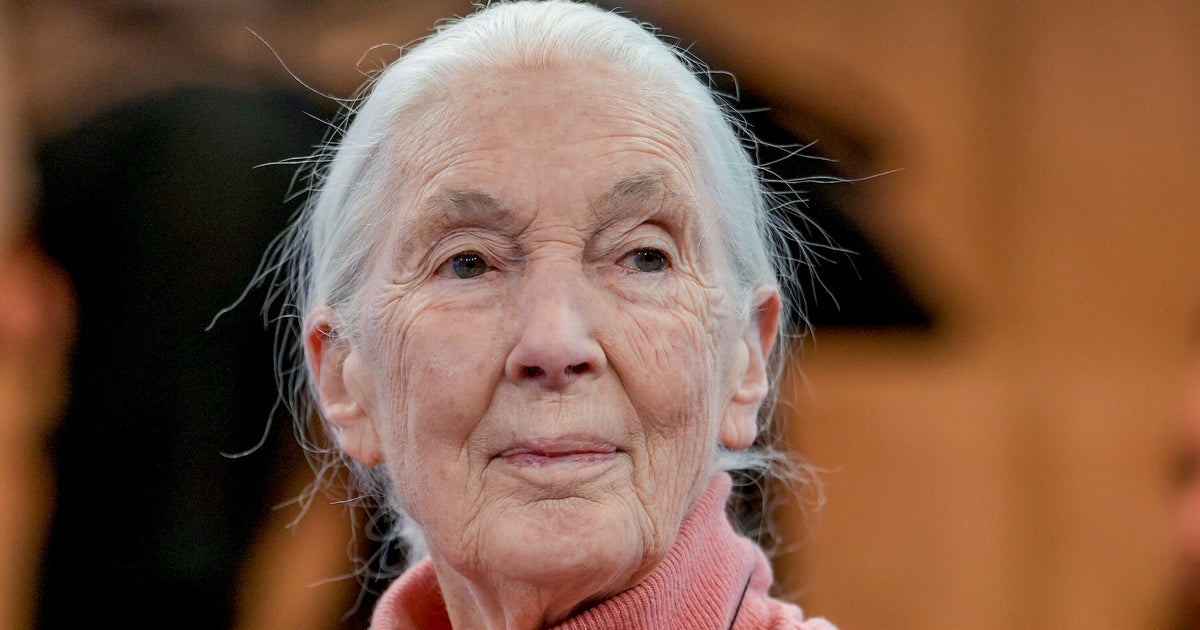
On the 66th anniversary of Dr. Jane Goodall’s arrival at Gombe, the Jane Goodall Institute USA and FormationQ have launched a two-year research initiative using IonQ’s trapped-ion quantum computers to analyze why chimpanzees engage in lethal intergroup violence while their close relatives, bonobos, remain largely peaceful.
Dr. Lilian Pintea, Vice President of Conservation Science at the Jane Goodall Institute, noted that this collaboration bridges the gap between patient, long-term observation and the frontier of computational science. The research is led by Dr. Kristin N. Crouse and Dr. Michael L. Wilson from the University of Minnesota, who will leverage the university’s supercomputing infrastructure alongside IonQ’s hardware. Beyond its theoretical implications, the study is designed to inform practical conservation strategies, helping scientists predict how habitat loss and environmental shifts impact the survival of these endangered species.




Comments (0)
No comments yet. Be the first!