A pop song once sparked Dinh Thuy Dung’s interest in Chinese, leading her from a small Vietnamese village to a career as a bilingual broadcaster. Her path now mirrors a broader regional ambition, as media leaders gathered in Kunming this week to formalize a network aimed at bridging cultural divides through collaborative storytelling.
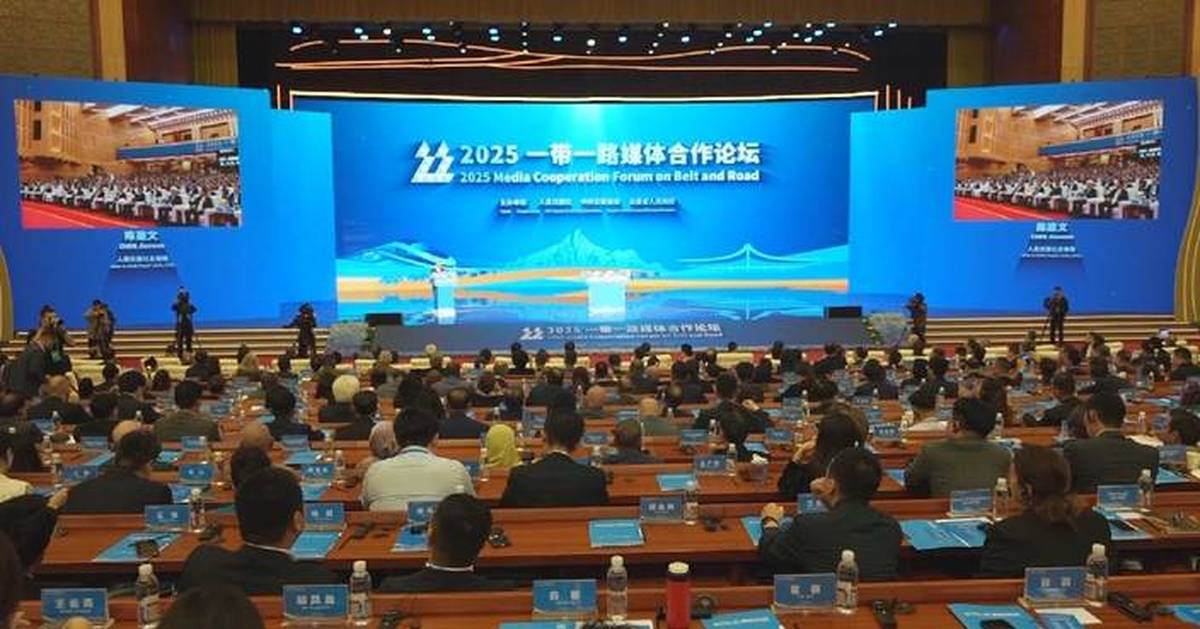
More than 170 media outlets, think tanks, and news organizations from across South and Southeast Asia convened for the 2026 annual meeting of a network launched just two years ago. The initiative, spearheaded by the Yunnan International Communication Center and China Daily Asia Pacific, seeks to move beyond traditional reporting by leveraging AI-assisted production, multilingual translation, and data journalism to foster regional connectivity.
Zeng Yan, representing the Yunnan Provincial Committee of the Communist Party of China, emphasized that the alliance is built upon a foundation of shared cultural and geographic links. During the summit, participants signed over 20 cooperation agreements focusing on joint content production, tourism, and academic exchanges. These pacts aim to move beyond simple information sharing, targeting instead the creation of flagship media projects that resonate across borders.
However, the expansion of digital influence brings new pressures. Htin Linn Aung, Myanmar’s information minister, warned that while technology facilitates connection, it also accelerates the spread of misinformation. He urged media professionals to act as diplomatic bridges rather than mere conduits for news, arguing that regional issues like economic instability and climate change require a unified, transparent narrative to prevent the erosion of international trust. China Daily deputy publisher Zhu Baoxia reinforced this vision, citing past initiatives like the "Run with History" series—which has drawn 13,000 participants across Southeast Asia—as the model for future people-to-people exchange.



Comments (0)
No comments yet. Be the first!