
The strategy draws direct lessons from the war in Ukraine, where the high cost of reclaiming occupied territory has forced a shift toward deterrence through physical denial. Rather than a singular wall, the network functions as a layered landscape of obstacles, including prepared bridge demolitions, bunkers, and minefields, designed to slow advancing forces until mobile defensive units can engage. Latvia has already cleared the way for initial construction, with state real estate manager VAS signing contracts for the first priority works along its border.
Baltic states accelerate construction of 950km anti-invasion barrier
Across the 950-kilometre frontier shared with Russia, excavators are carving deep anti-tank trenches and engineers are anchoring concrete dragon’s teeth into the soil. This Baltic Defence Line, a multinational project conceived two years ago, has shifted from diplomatic agreement to active, large-scale fortification of the eastern Nato flank.
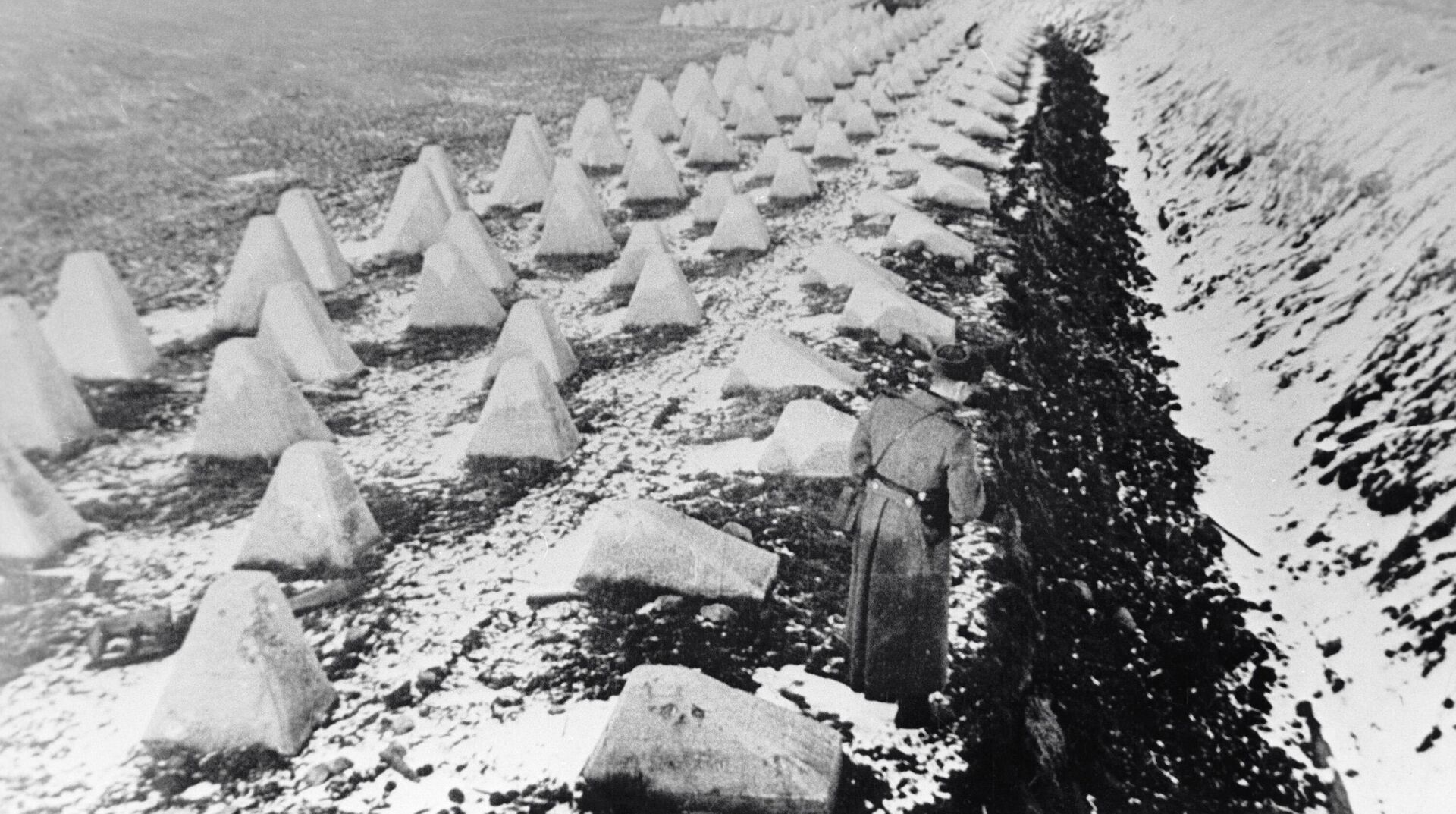
This project will eventually integrate with Poland’s East Shield programme, creating a continuous defensive belt stretching toward the north. The urgency is underscored by recent intelligence warnings from Lithuanian President Gitanas Nauseda, who cited potential Russian threats to critical infrastructure. By embedding these physical barriers into the terrain, the Baltic nations aim to transform their borders into high-friction zones, ensuring that any potential incursion faces immediate, fortified resistance rather than an open path.


Comments (0)
No comments yet. Be the first!