
The strategy targets 'neoclouds'—smaller, specialized providers like GMI Cloud, Firmus, and Sharon AI that compete with hyperscalers like Amazon and Microsoft. When GMI Cloud needed to purchase expensive hardware to serve the startup Fireworks AI, traditional lenders balked at the credit risk. By stepping in as an insurer, Nvidia enables these providers to secure financing that would otherwise be unavailable, ensuring its chips reach smaller players who are rapidly building out AI capacity.
Nvidia’s New Financing Model Bypasses Traditional Bank Hesitation
Startups often struggle to secure loans for massive AI infrastructure, hitting a wall when banks deem them non-investment-grade. To clear this hurdle, Nvidia is now acting as a guarantor for specialized cloud providers, effectively insuring payments in exchange for a share of revenue to keep its high-end GPUs moving.
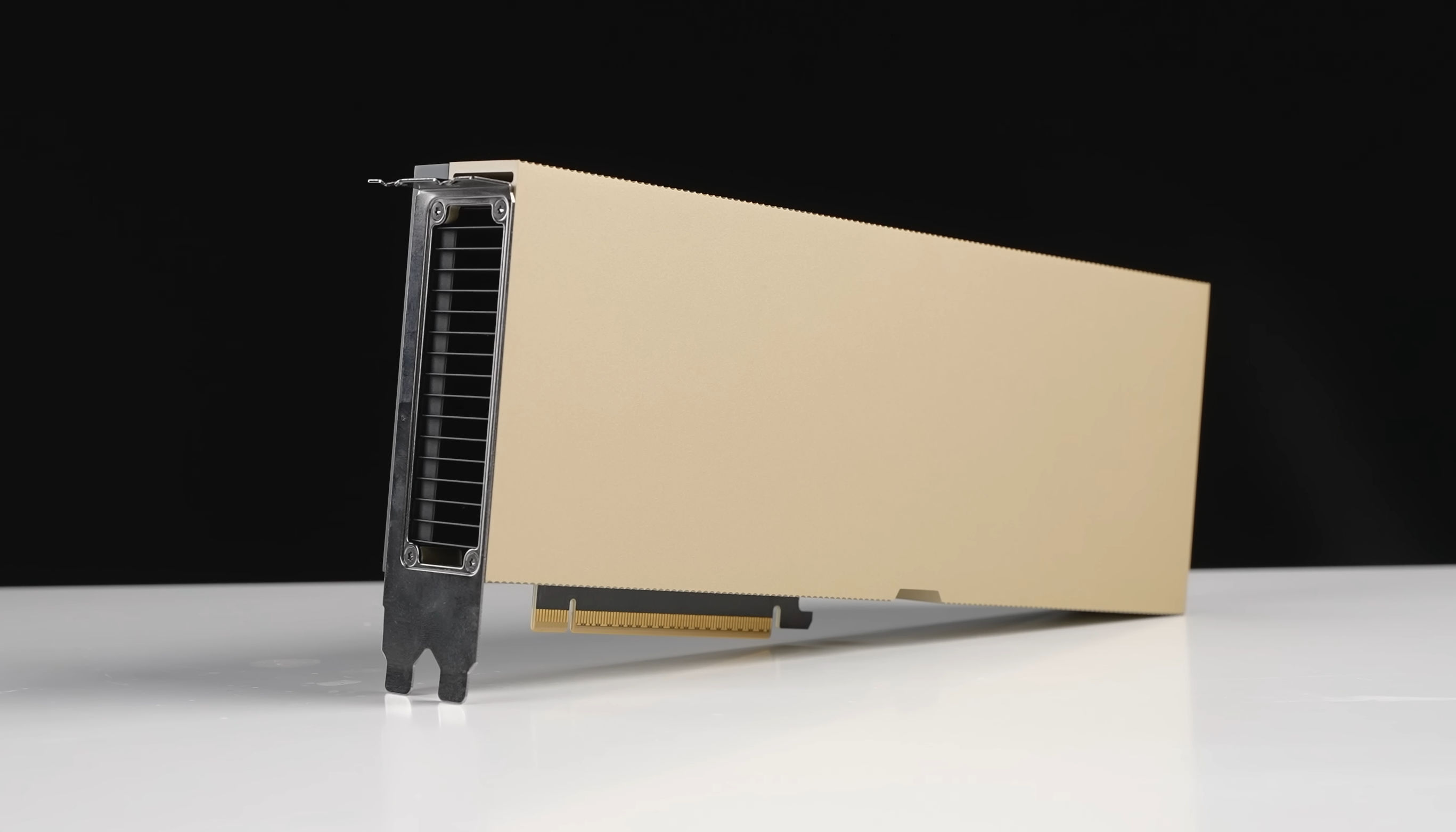
This arrangement allows Nvidia to diversify its customer base beyond the major tech giants, many of which are currently developing proprietary AI chips that threaten to displace Nvidia hardware. GMI founder Alex Yeh noted that the model accounts for rising memory costs, while analysts like David Nicholson view the pivot as a calculated move to capture smaller market segments. However, some observers warn of potential financial risks, noting that the strategy mirrors previous controversies regarding 'circular financing,' where supplier-backed deals can blur the line between genuine demand and artificial market expansion.



Comments (0)
No comments yet. Be the first!