
Peer-reviewed evidence suggests these synthetic particles are linked to a host of physiological dangers, including cardiovascular toxicity, neurotoxicity, and metabolic disruption. While direct human causality remains a subject of ongoing study, preclinical research points toward oxidative stress and inflammation as primary drivers of damage. The findings carry particular weight for younger populations; a 2025 study of 1,000 children aged six to nine identified a significant association between polyamide, polypropylene, and polyvinyl chloride in urine and the development of behavioral problems.
Microplastics Found in Human Organs Spark Urgent Call for EU Action
Microplastics and nanoplastics have permeated the human body, turning up in everything from breast milk and lungs to brain tissue and children’s urine. A new report from the Plastic Soup Foundation and Green Impact warns that current EU regulations are woefully inadequate to address this mounting public health crisis.
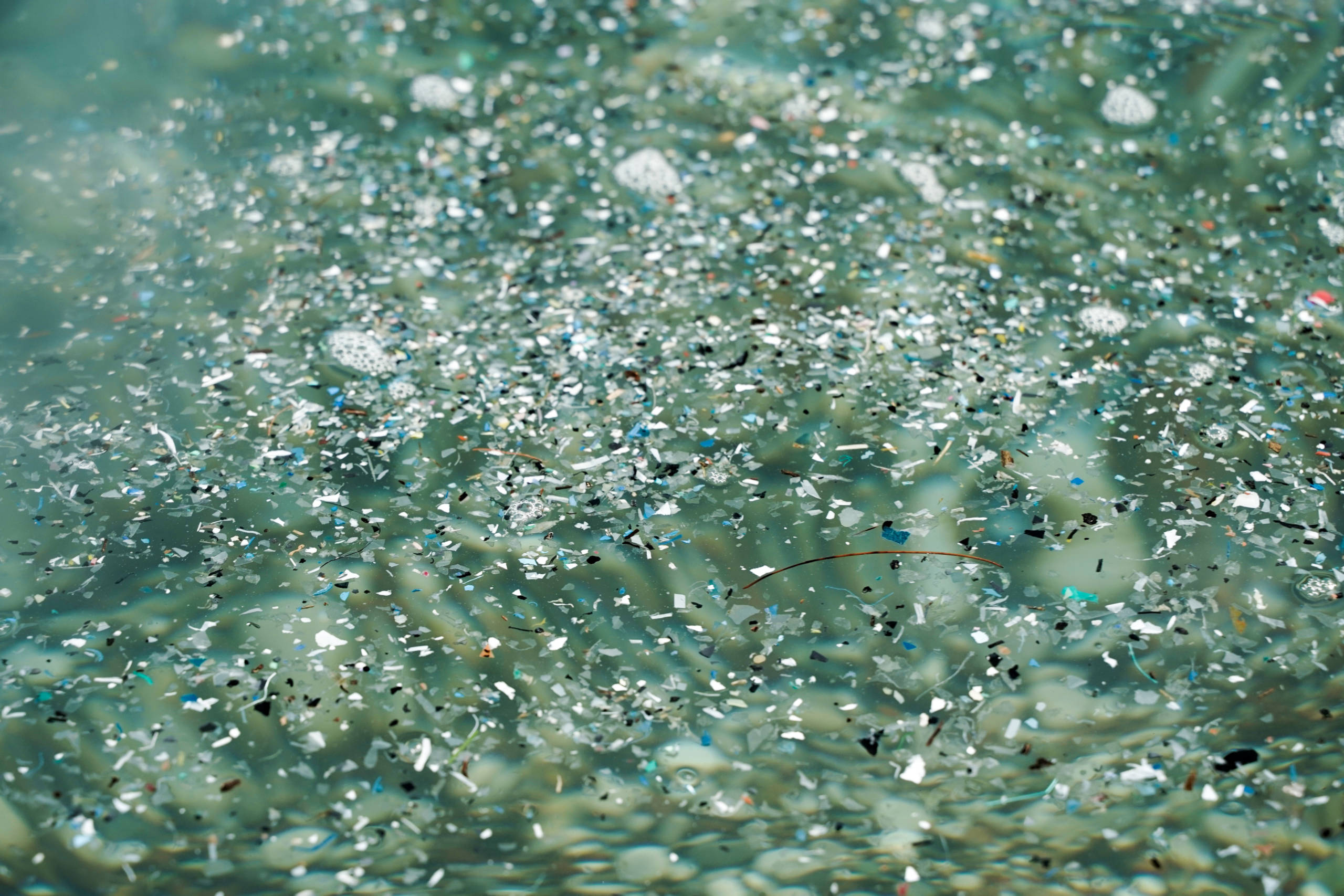
Beyond developmental concerns, researchers have detected higher concentrations of microplastics in human lung, colorectal, and prostate cancer tissues compared to healthy samples. Whether this indicates simple bioaccumulation or a direct role in malignancy is not yet confirmed, but the presence of these materials across vital organs has ignited calls for a more aggressive legislative response. Gaia Angelini of Green Impact argued that while the political mandate exists, the current pace of policymaking fails to match the severity of the scientific findings. With the new 2024–2029 EU legislative cycle underway, advocates are pushing for immediate, systemic reform to curb the exposure that is already embedded in human biology.




Comments (0)
No comments yet. Be the first!