
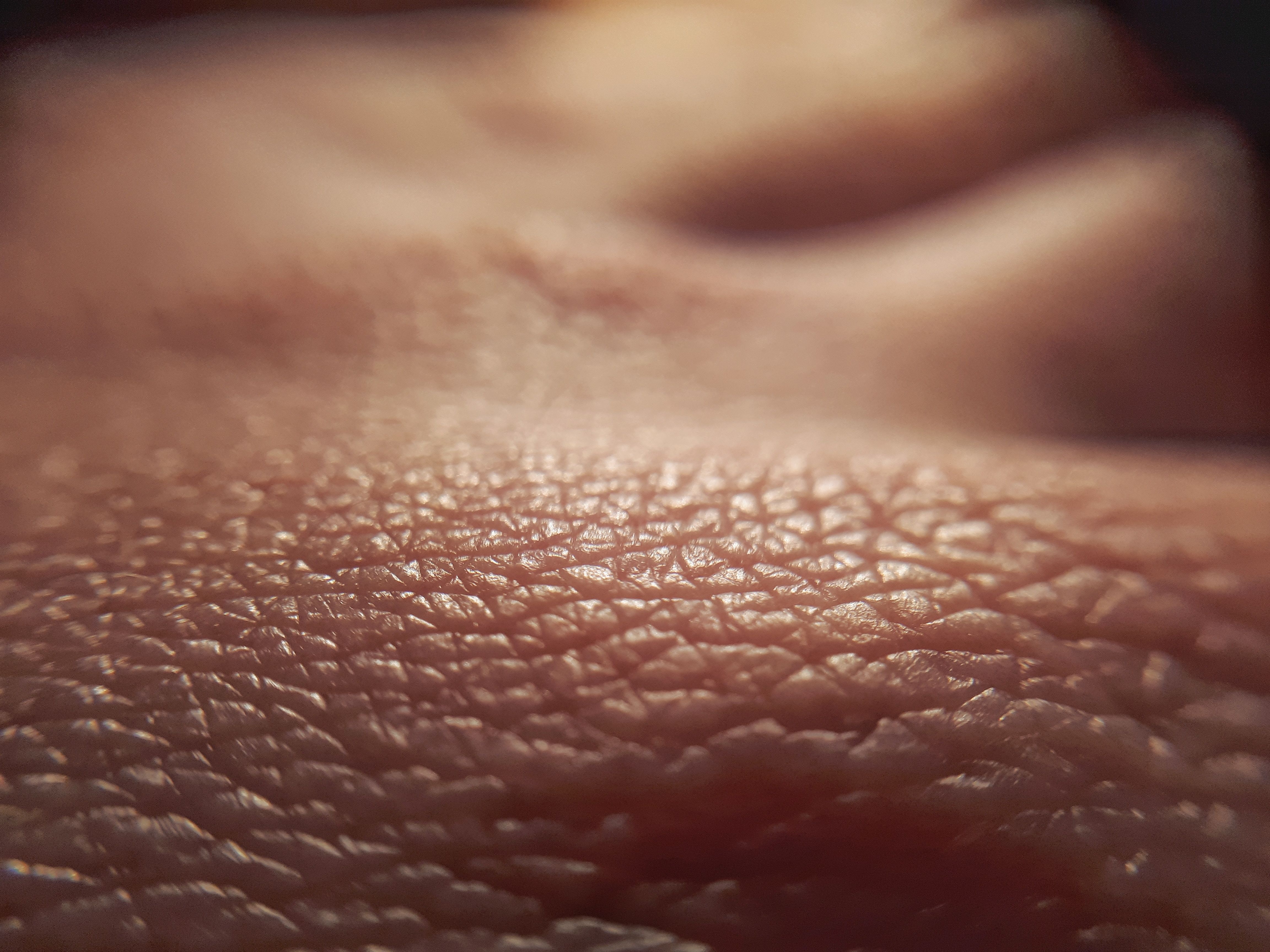
The patented combination therapy has gained clinical attention for its ability to address subclinical skin damage that often precedes visible lesions. Unlike traditional fluorouracil monotherapy, which typically requires a treatment duration of two to four weeks, the combination approach is effective in just four days. This shortened regimen aims to improve patient adherence while triggering a dual-action immune response that targets damaged cells more efficiently.
Research led by Dr. Lynn A. Cornelius of Washington University and Dr. Shawn Demehri of Massachusetts General Hospital established the efficacy of this approach through randomized clinical trials. Their findings, which tracked patients for over 1,500 days, suggest that the therapy induces an immunopreventive effect by fostering the persistence of tissue-resident memory T cells in the skin. This mechanism helps clear abnormal cells across a "cancerization field" rather than focusing solely on individual lesions, aligning with recent guidelines from the American Academy of Dermatology regarding field-directed therapy.


Comments (0)
No comments yet. Be the first!