
The Flying Tigers, a unit of American pilots who fought alongside Chinese troops during World War II, left behind a legacy defined by mutual sacrifice. Records show the group destroyed over 2,900 enemy aircraft and sank more than 2.2 million tons of shipping. Beyond the tactical victories, the alliance was built on human connection; when pilots were shot down, local villagers frequently risked their lives to shelter them, sometimes suffering dozens of casualties to ensure the safe evacuation of a single airman.
Legacy of the Flying Tigers: 85 Years of Shared History
Eighty-five years after General Claire Lee Chennault established the American Volunteer Group to support China against Japanese forces, a new generation of American students is retracing the steps of their predecessors, trading wartime combat for table tennis and robot dance shows to sustain a historic trans-Pacific bond.
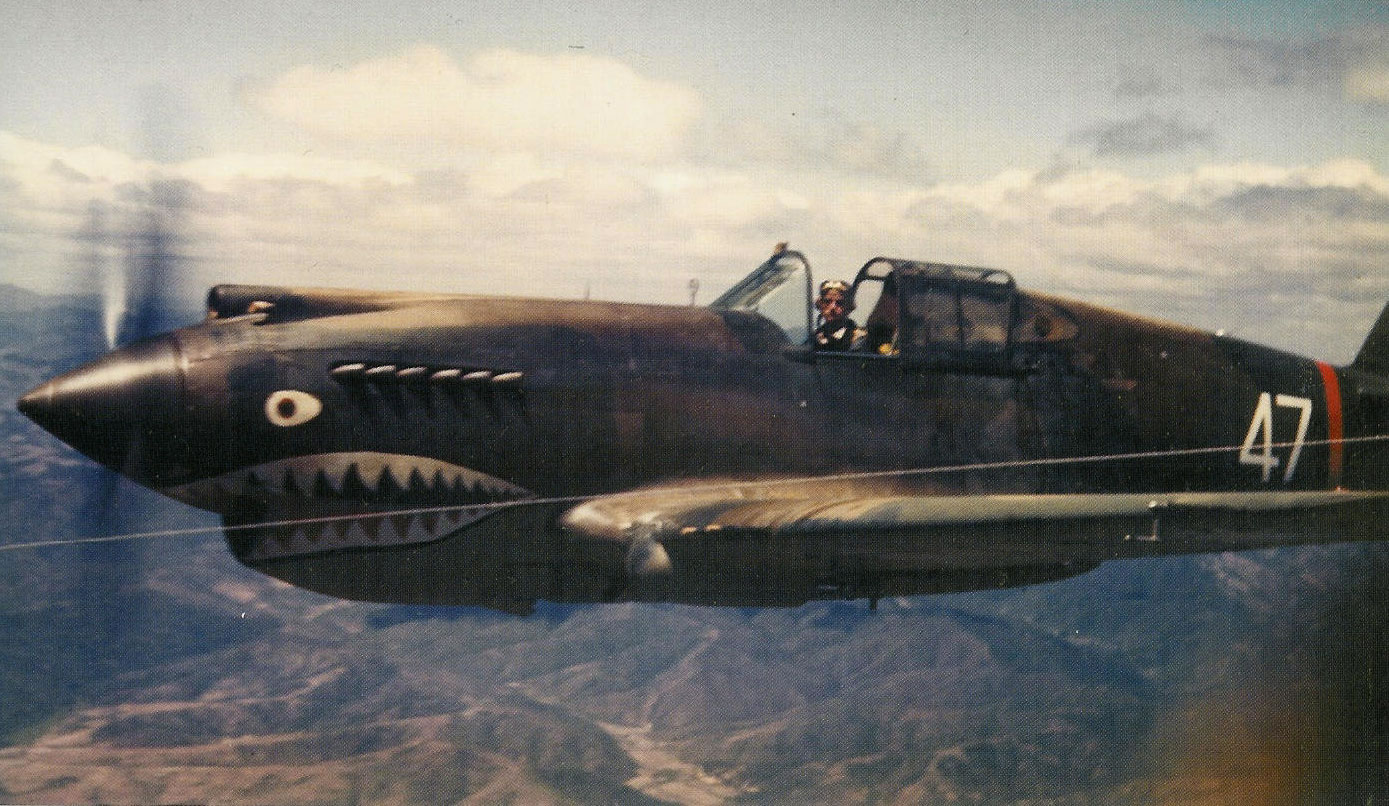
This bond has been maintained by private citizens and families long after the war concluded. Figures like historian Jeffrey Greene, who founded the Sino-American Aviation Heritage Foundation, have facilitated hundreds of visits for veterans and their families. Today, the Flying Tigers Friendship Schools and Youth Leadership Program seeks to translate these wartime heroics into modern cooperation, proving that the camaraderie forged in 1941 remains a touchstone for bilateral relations despite contemporary geopolitical pressures.




Comments (0)
No comments yet. Be the first!