
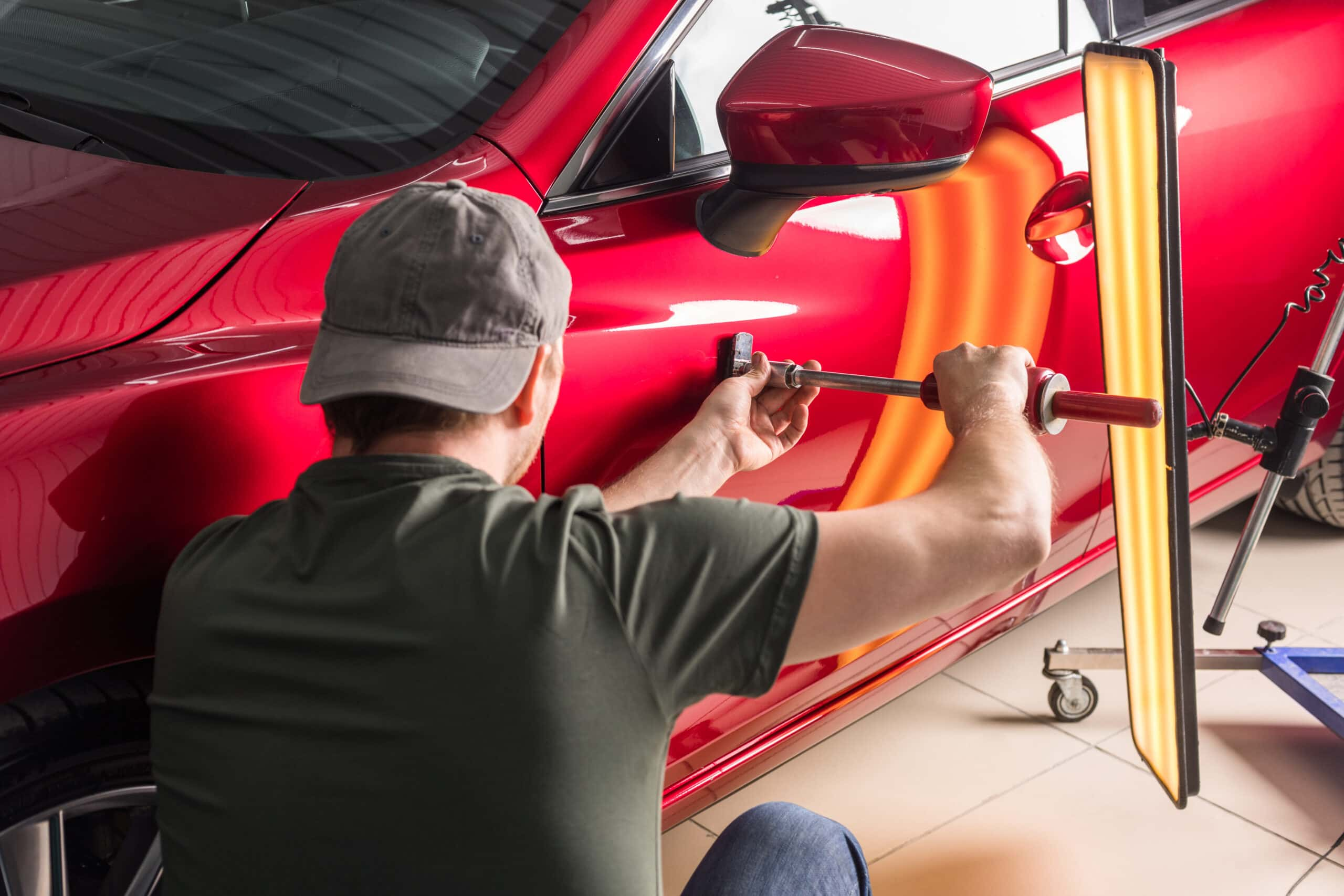
The journey begins with an initial inspection, where technicians catalog both visible damage and the hidden structural compromises that only emerge once disassembly starts. This assessment forms the basis of the repair estimate, a critical document that outlines labor, parts, and paint requirements. When insurance enters the picture, the process often shifts into a cycle of adjustments and supplemental documentation, particularly if technicians uncover further damage beneath the surface during the teardown phase.
Restoring a vehicle’s structural integrity is the most demanding stage. Modern cars rely on sophisticated frames and safety systems designed to manage impact energy, requiring specialized measuring equipment to meet manufacturer specifications. Once the frame is sound, the focus shifts to sourcing components—a step often subject to the volatility of global supply chains—followed by complex refinishing work. Using computerized color-matching systems, technicians prepare panels to ensure the final paint job is indistinguishable from the factory finish.




Comments (0)
No comments yet. Be the first!