
The Carbon Border Adjustment Mechanism, or CBAM, requires importers to pay for emissions embedded in goods like steel and cement. India has long criticized the policy as discriminatory, repeatedly challenging it at the World Trade Organization alongside Brazil, China, and South Africa. Critics previously feared the tax would cripple Indian steel exports, but these concerns may be overstated.
EU carbon tax impact on Indian steel likely lower than feared
India’s steel exporters may face significantly lower costs from the European Union’s carbon border tax than initial projections suggested. According to a new report from the climate think tank Sandbag, strategic shifts in production could nearly halve the potential financial burden on Indian firms by 2034.
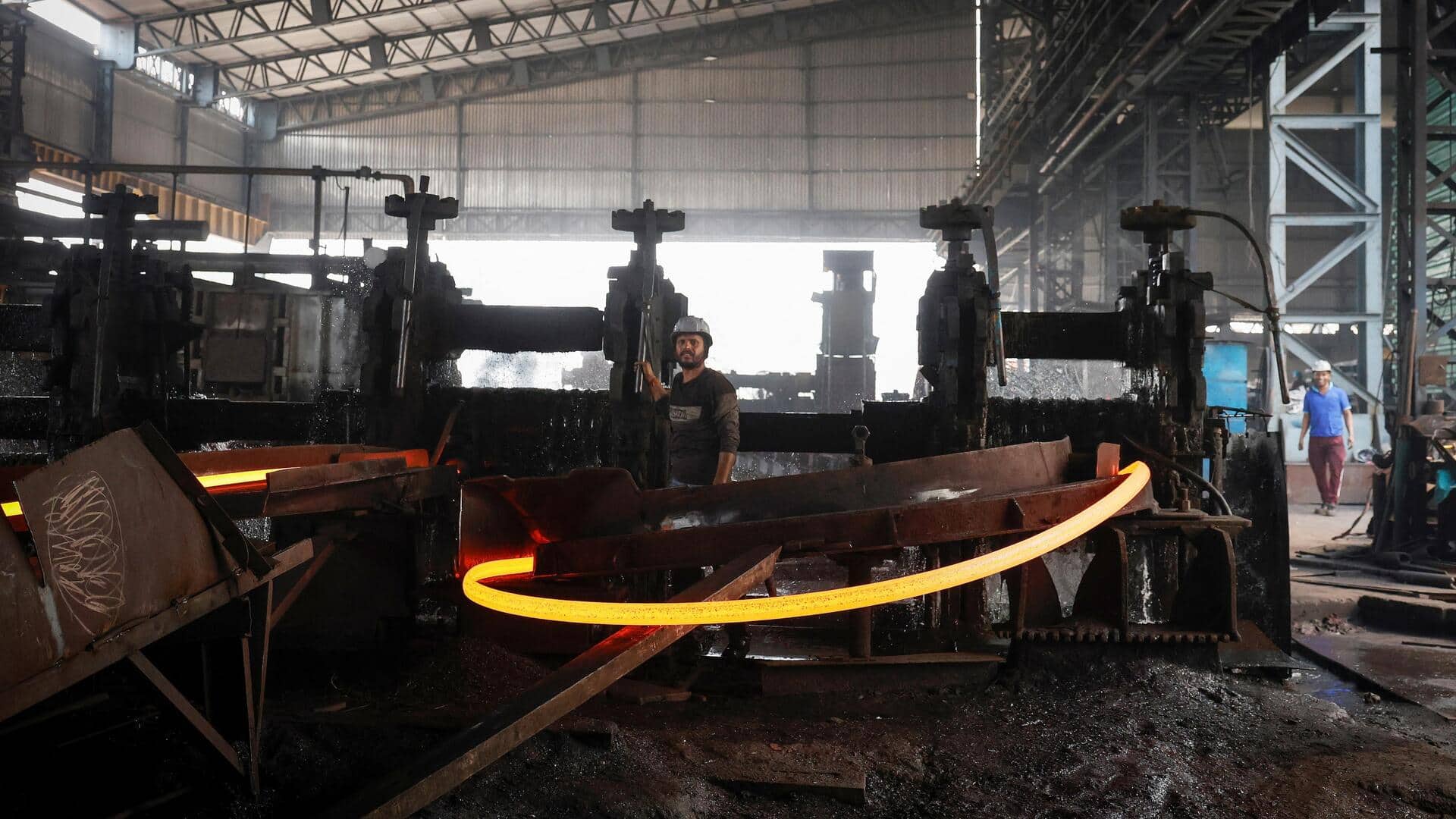
Sandbag’s analysis argues that treating India’s massive steel industry as a monolith is a mistake. Under a business-as-usual scenario, the sector could face €762 million in fees by 2034. However, the report suggests a more realistic outcome: Indian producers are likely to divert their existing low-carbon output specifically toward European markets. By prioritizing these cleaner exports, the industry could reduce its gross fees to €407 million, softening the economic impact of the EU’s climate regulations.


Comments (0)
No comments yet. Be the first!