
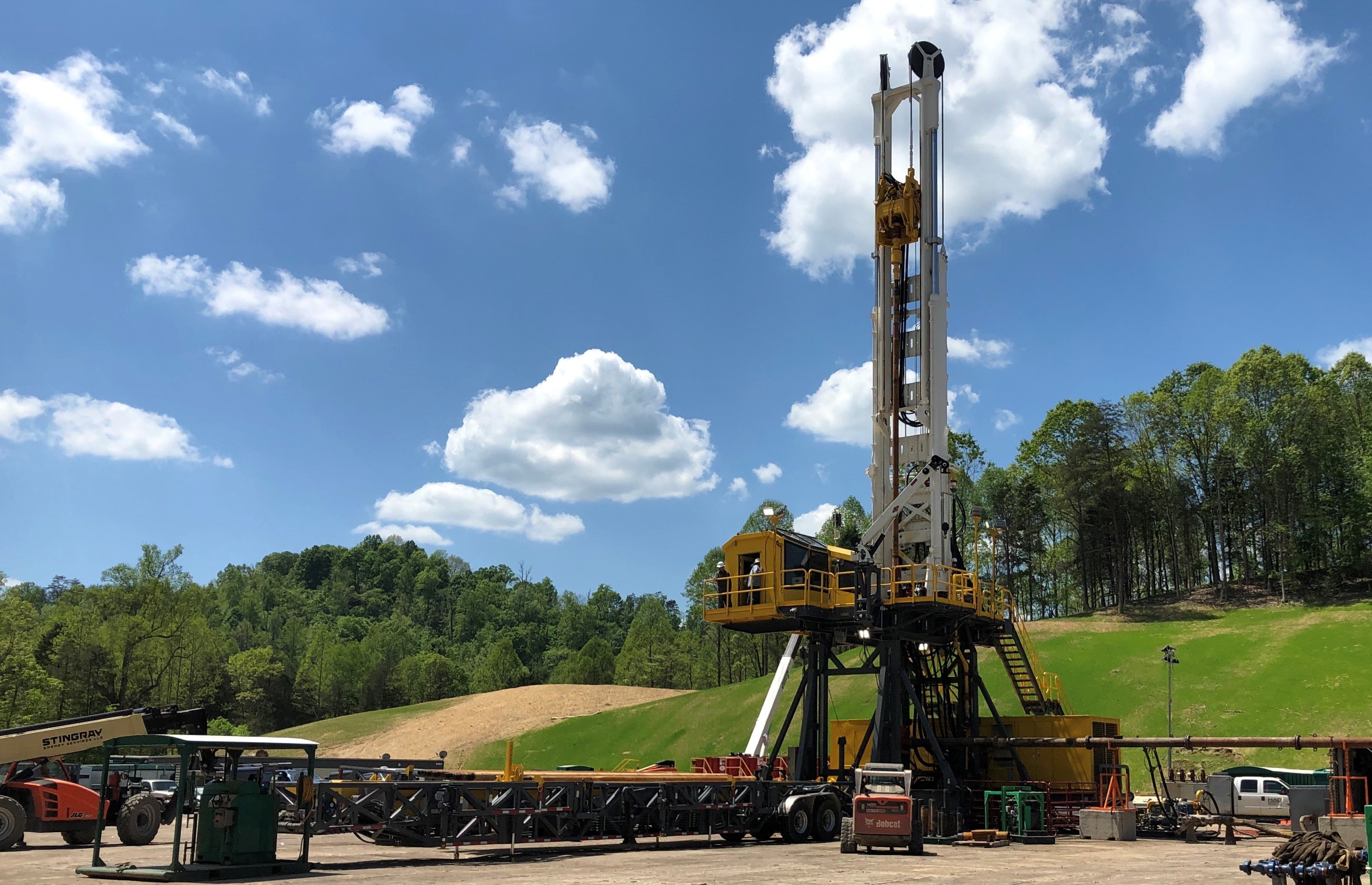
The deal, facilitated by the German export credit agency Euler Hermes, involved the sale of a deep drilling rig from manufacturer Herrenknecht to the Brazilian energy firm Eneva. While Berlin approved the export credit on the condition that the rig would merely replace aging infrastructure without expanding capacity, the equipment was deployed in the Parnaíba Basin last July. Within six months, the rig successfully tapped into new gas deposits estimated at up to 4 billion cubic metres.
German export guarantees fueled new Amazon gas drilling
A German-backed drilling rig, sanctioned under the guise of equipment replacement, has carved seven new gas wells into the Brazilian Amazon. The project, underwritten by export credit guarantees in early 2024, contradicts Berlin’s 2021 international pledge to end public financing for fossil fuel projects abroad.
This move highlights a persistent friction between Germany’s climate rhetoric and its industrial policy. Despite joining the Clean Energy Transition Partnership to align financing with the Paris Agreement’s 1.5C limit, Germany retained significant loopholes for projects deemed to serve geostrategic interests. According to research by Oil Change International, Germany has approved approximately €1.3 billion in fossil fuel projects since the rules were enacted, trailing only Italy in total pledge breaches. Eneva, meanwhile, faces ongoing scrutiny in Brazil, with reports citing local opposition, pollution concerns, and allegations of failing to consult Indigenous communities regarding its extraction activities. With the German government now considering further flexibility in its export guidelines, critics warn that the country’s credibility on the global climate stage is rapidly eroding.



Comments (0)
No comments yet. Be the first!