
The reliability of a mechanical ride hinges on the operator's ability to manage the experience. A trained professional adjusts speed and transitions based on the rider's comfort level, while simultaneously monitoring the landing zone to ensure it remains clear. Beyond supervision, the physical environment requires careful vetting. Renters should confirm the thickness of inflatable padding and the integrity of impact zones, as these are the primary safeguards against injury during a fall.
Safety First: A Checklist for Mechanical Ride Rentals
Before booking a mechanical bull or spinning attraction for your next event, the details of the setup matter as much as the fun. Myla Tebbutt, a veteran Dallas party expert, urges organizers to look beyond the theme and demand transparency regarding operator training, power stability, and structural maintenance.
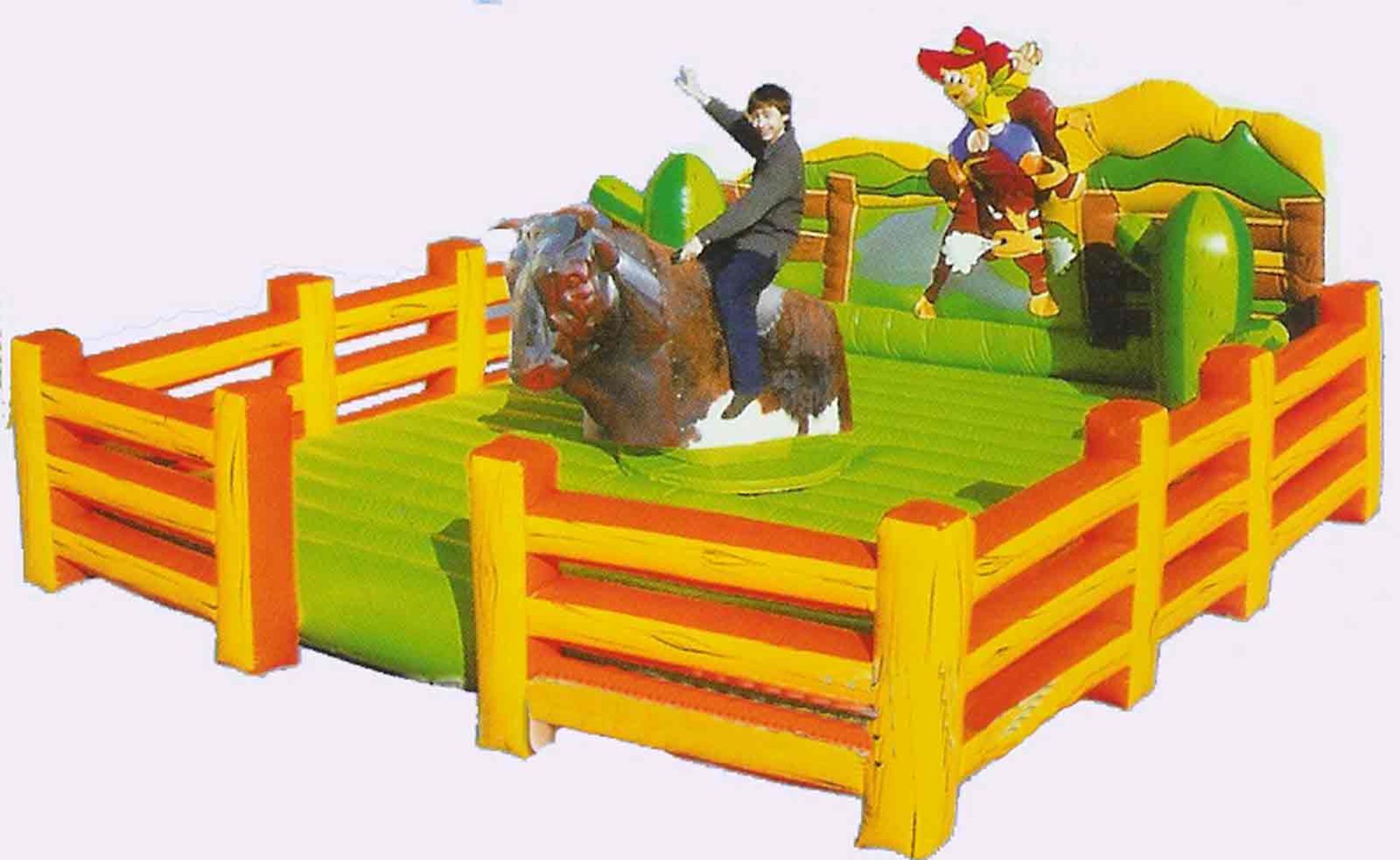
Operational logistics often pose the greatest hidden risks. Mechanical rides demand dedicated, stable power circuits; sharing a line can lead to erratic motion or mid-event shutdowns. Tebbutt notes that professional operators bring outdoor-rated equipment and require specific distances from power sources, which hosts must verify against their venue layout. Furthermore, requesting the equipment’s service history and current inspection certification serves as a clear indicator of a company’s professionalism. By clarifying age limits, setup timeframes, and crowd control boundaries well in advance, organizers can transform a chaotic attraction into a structured, safe highlight of their event.

Comments (0)
No comments yet. Be the first!