
The Centre for Research on Energy and Clean Air reports that Spain and Cyprus acted as the primary entry points, accepting seven cargoes each. Additional shipments were traced to Croatia, France, Greece, Italy, Malta, and the Netherlands. Analysis shows that eight of these deliveries originated from Turkish facilities, while India and Georgia accounted for five each. Researchers argue that the current price cap mechanism has failed to create a lasting constraint on Moscow’s export earnings.
Russian fuel finds back door into EU despite import bans
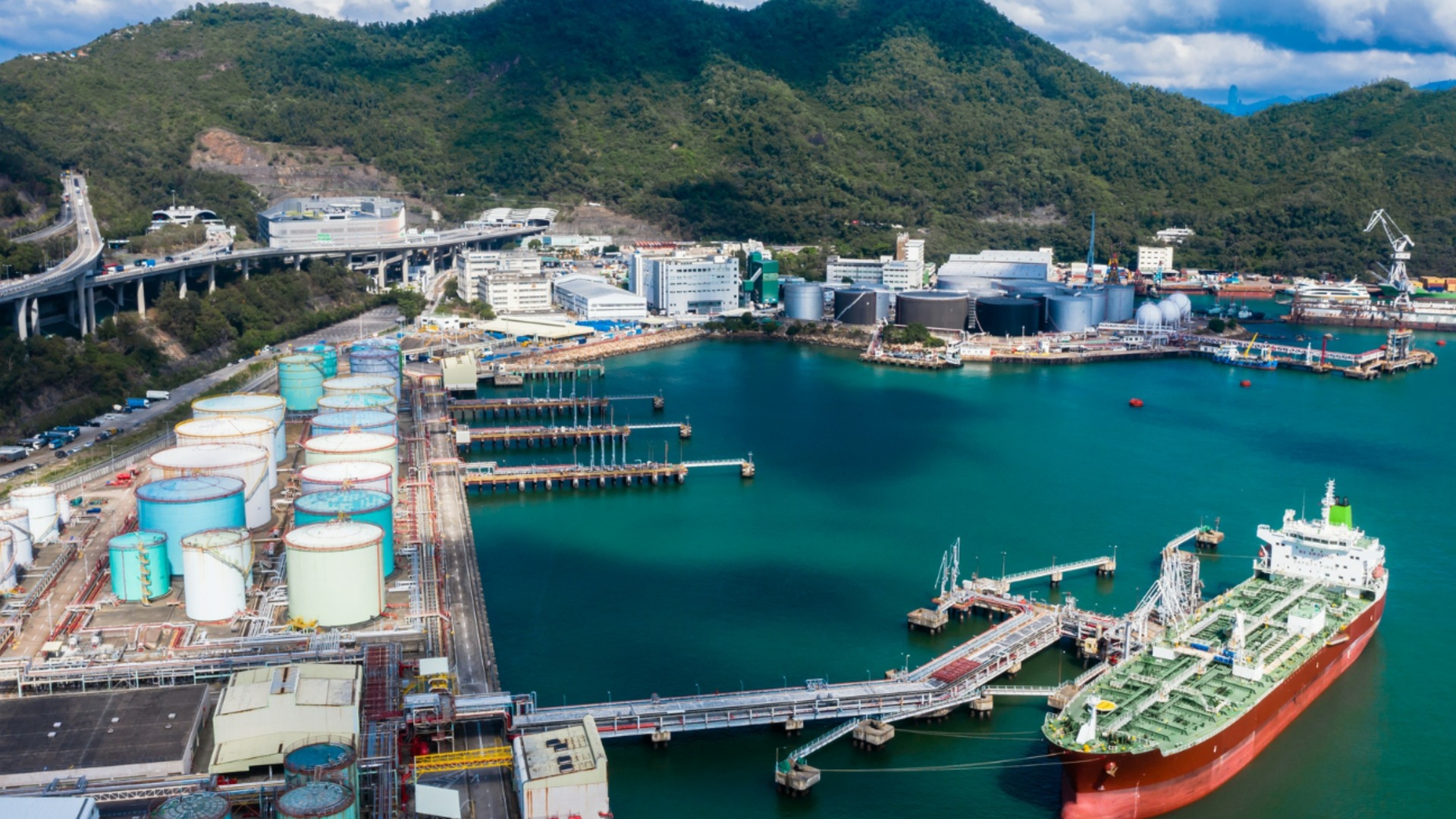
Eighteen shipments of refined oil products linked to Russian crude reached European Union ports in July, more than doubling the volume recorded just one month prior. Despite a formal ban on such imports, the trade persists through third-party refineries in Turkey, India, and Georgia, undermining existing sanctions.
Beyond refined fuels, the dependency on Russian energy remains complex. Although Russia’s total LNG revenue dropped by 36 percent in July, Belgium continues to source its entire LNG supply from Russian shipments. This volume now positions Belgium as the third-largest importer of Russian fossil fuels within the bloc. CREA analysts are calling for immediate investigations by national enforcement agencies to identify how these molecules are bypassing trade restrictions and to tighten oversight on supply chains originating from intermediary nations.




Comments (0)
No comments yet. Be the first!