
The city's industrial landscape is undergoing a transformation, shifting from basic hardware production to the development of general-purpose robots. At X Square Robots, engineers are moving beyond novelty performances to build machines capable of nuanced physical labor. Utilizing an open-source World Unified Model, these robots now navigate the complexities of elderly care facilities in Shenzhen, performing tasks ranging from tidying living spaces to assisting individuals with disabilities.
Shenzhen Pivot: From Hardware Hub to AI Robotics Powerhouse
In Shenzhen, the distance between a concept and its physical prototype is now measured in thirty minutes rather than weeks. As APEC China 2026 highlights innovation as a core regional priority, this manufacturing capital is trading its traditional supply chain dominance for a new identity driven by embodied intelligence.
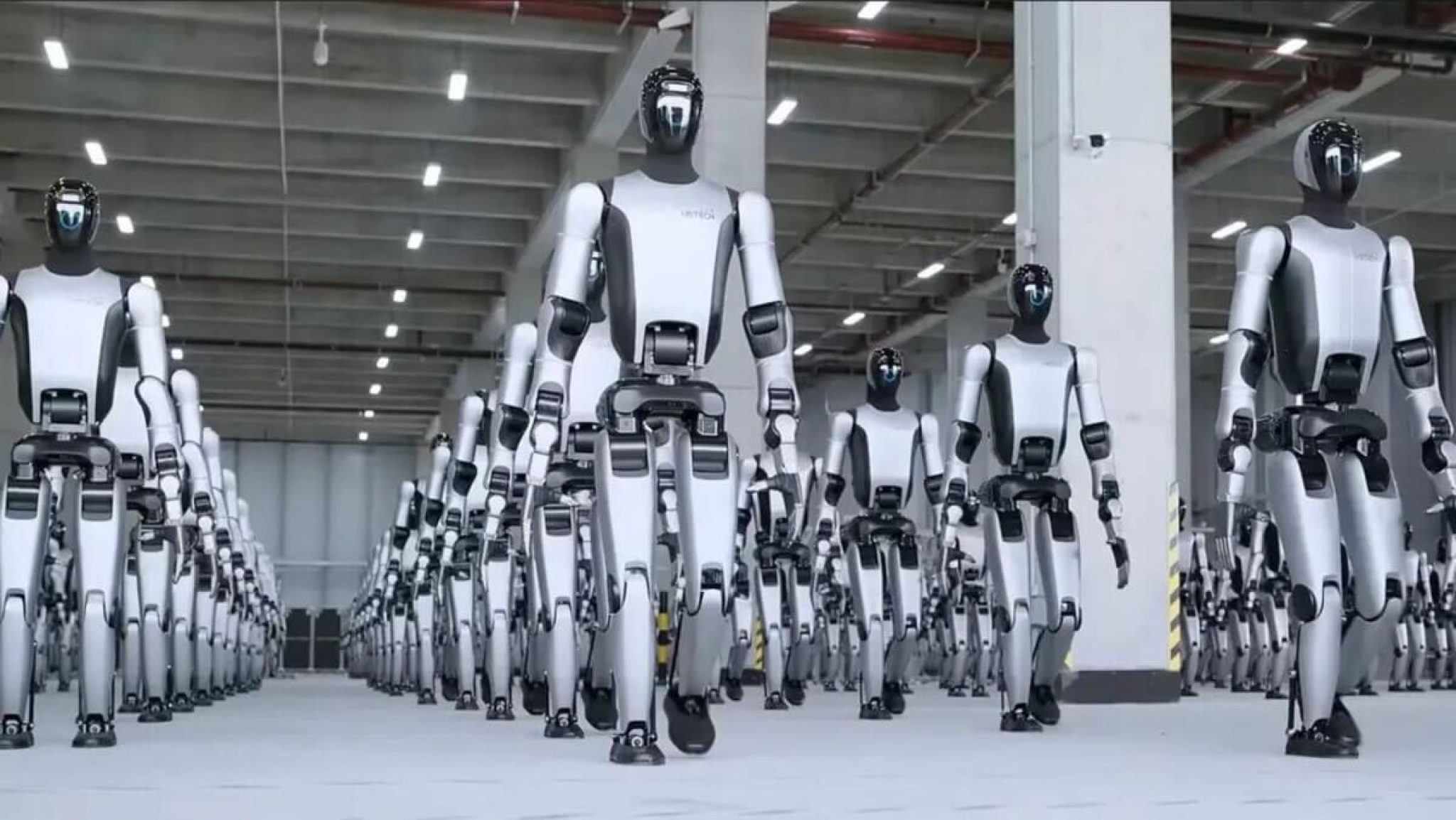
Simultaneously, firms like SmartMore are digitizing the factory floor with IndustryGPT. Unlike standard visual recognition systems, this technology grants machines the capacity for reasoning and autonomous action. By the conclusion of 2025, the platform had already integrated into the workflows of over 730 global enterprises. According to Shi Xiaoliang, Director of Product R&D at SmartMore, the democratization of these AI agents is lowering the barrier to entry for manufacturers who previously lacked the resources to implement industrial-grade artificial intelligence. As APEC delegates gather, Shenzhen positions itself as the primary architect of a digitally connected Asia-Pacific market.



Comments (0)
No comments yet. Be the first!