
Journalism operates through framing, whether reporters intend it or not. When outlets cover record heatwaves or wildfires by focusing solely on temperature spikes or individual adaptation strategies—such as buying air conditioning—they omit the essential drivers of the crisis. By failing to identify the fossil fuel interests that profit from the status quo and actively lobby against transition efforts, news organizations inadvertently signal that these disasters are inevitable rather than the result of specific, reversible decisions.
Why climate journalism must name those responsible
While a vast majority of EU citizens express concern over climate change, public demand for policy shifts remains muted. This disconnect persists because media outlets frequently report on extreme weather as isolated events, effectively stripping the crisis of its political context and leaving the public paralyzed by a sense of fatalism.
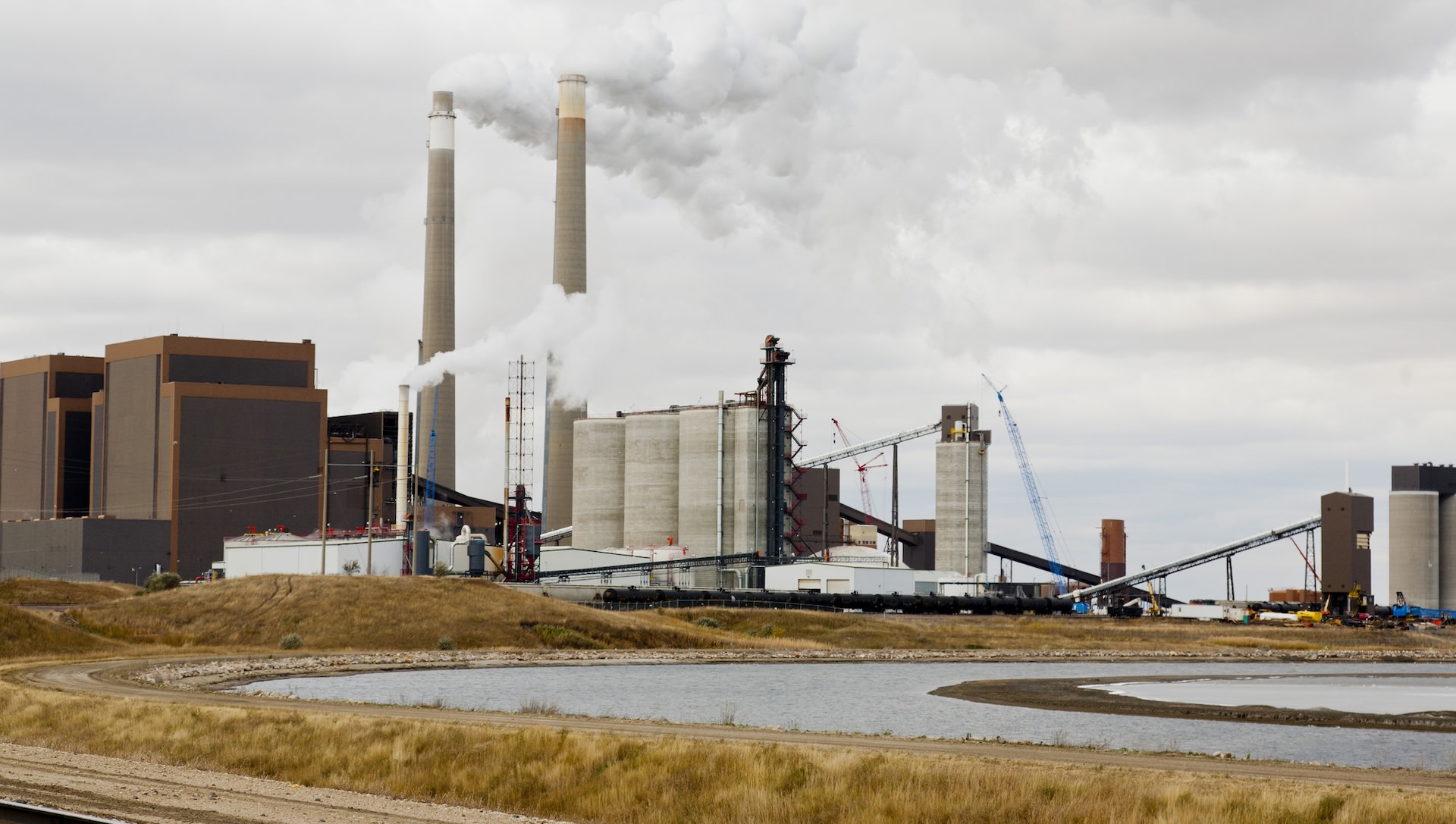
Research suggests that when audiences lack a clear understanding of cause and responsibility, they retreat into fatalism. This psychological response is a natural defense mechanism against overwhelming, complex threats. However, providing a frame that highlights corporate accountability and the availability of viable energy solutions can transform this paralysis into motivation. When journalists articulate the links between fossil fuel extraction, political influence, and environmental collapse, they provide the public with the agency required to demand change. Reporting facts without this interpretive framework allows confirmation bias to fill the vacuum, often reinforcing the status quo rather than challenging it.



Comments (0)
No comments yet. Be the first!