
The proposed application follows a steady cooling of relations with the Kremlin. While Armenia remains a member of the Russia-led Collective Security Treaty Organization and hosts a Russian military base, the government is actively seeking to diversify its strategic alliances. Public sentiment in Yerevan has increasingly favored European integration, a trend accelerated by frustration over Russia’s perceived inaction during the Nagorno-Karabakh conflict and alarm at the invasion of Ukraine.
Armenia Pivots Westward in Potential EU Bid
Prime Minister Nikol Pashinyan signaled on Monday that Armenia may soon formalize its bid to join the European Union. This shift marks a significant departure from the country’s long-standing reliance on Moscow, challenging the traditional regional power dynamics that have defined Yerevan’s foreign policy since the Soviet collapse.
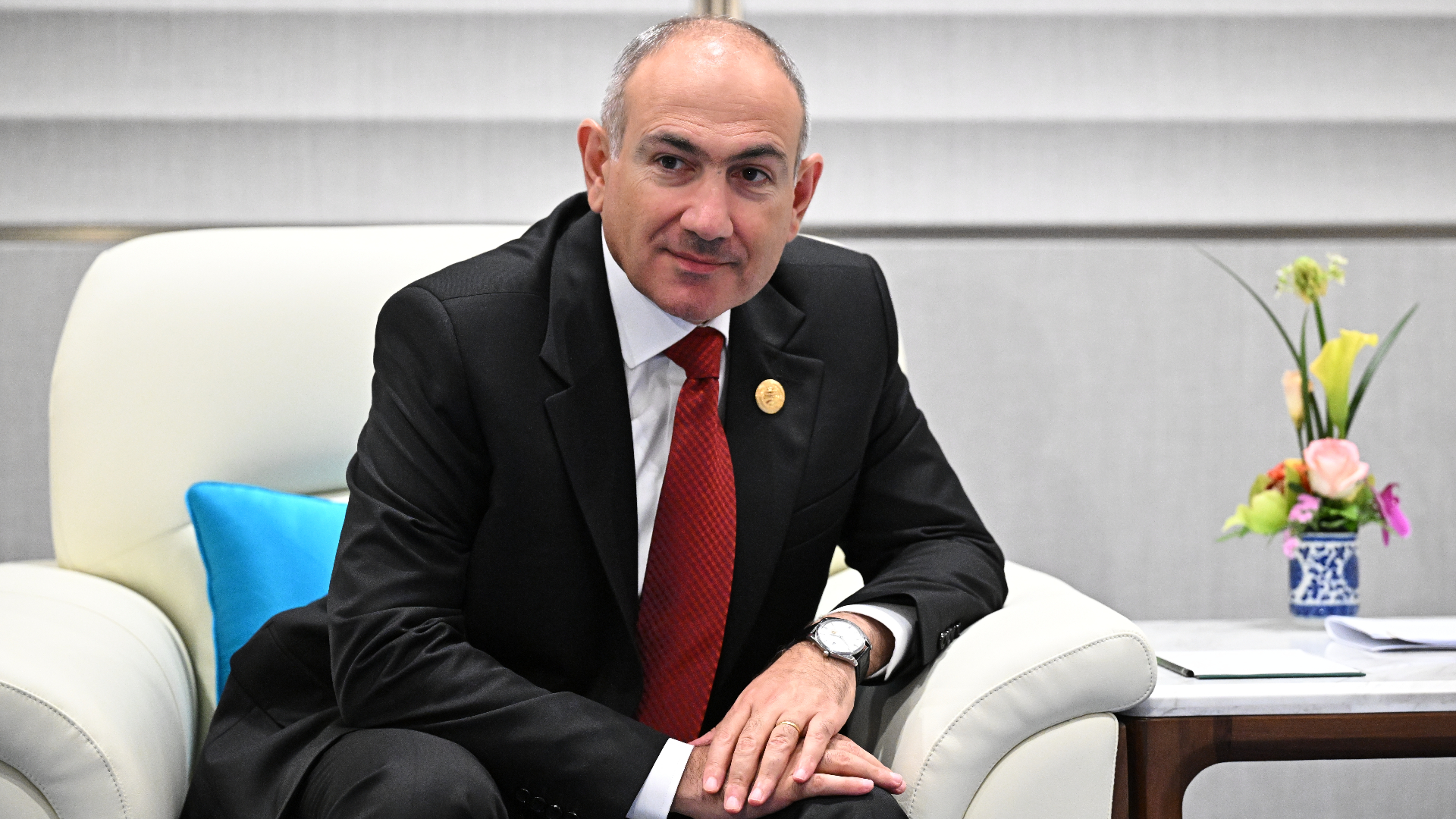
Formalizing the bid is only the initial phase of a complex bureaucratic hurdle. Should the government submit the application, it requires unanimous approval from all 27 EU member states to grant candidate status. Prime Minister Pashinyan intends to hold a national referendum to confirm public support before embarking on the arduous, multi-year accession process. Moscow has already signaled its displeasure through economic pressure, leaving Armenia to navigate the precarious balance between securing a European future and managing the fallout from its historical dependence on Russian energy and security structures.


Comments (0)
No comments yet. Be the first!