
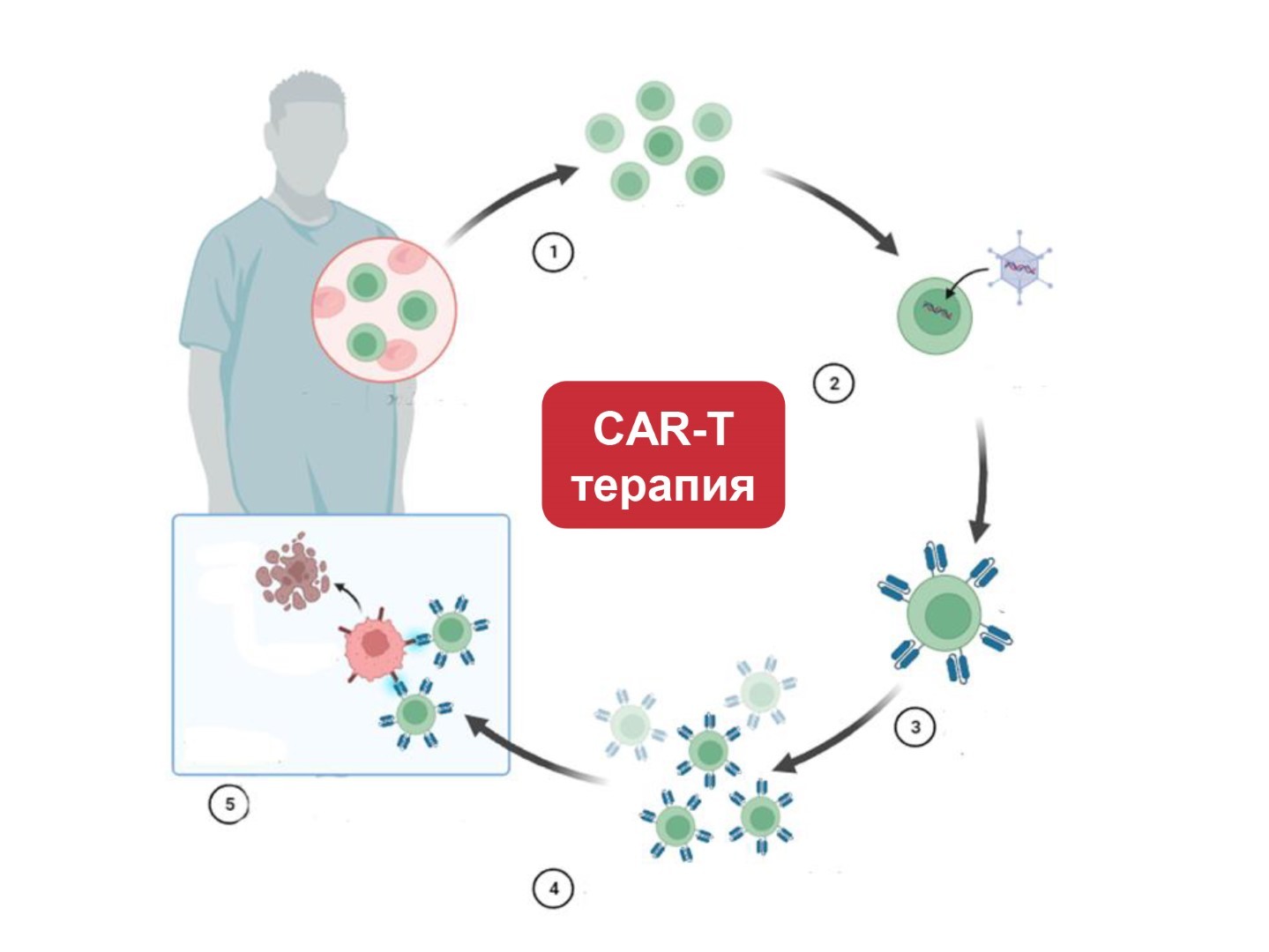
MT027 distinguishes itself through a triple-threat approach: targeting the B7-H3 antigen, utilizing an off-the-shelf allogeneic cell format, and employing a locoregional intracavitary delivery method. This strategy addresses the significant technical hurdles of treating brain-based malignancies, where the blood-brain barrier and the complexity of the central nervous system environment historically limit therapeutic efficacy. T-MAXIMUM is currently moving the asset through Phase II clinical trials.
Beyond individual drug performance, the company views MT027 as a test case for a broader translational methodology. By refining protocols for patient selection, local dosing, and safety monitoring, the developers aim to establish a repeatable framework for treating recurrent glioblastoma and various brain metastases. Preliminary data regarding the therapy’s application in brain metastases are expected to reach the public domain at the upcoming World Conference on Lung Cancer in September 2026.




Comments (0)
No comments yet. Be the first!