
The integration of Advanced Driver Assistance Systems (ADAS) is now a standard feature in the automotive industry. With federal mandates requiring rearview cameras and the National Highway Traffic Safety Administration's upcoming 2029 deadline for universal Automatic Emergency Braking, the shift toward high-tech vehicles is accelerating. However, Michaela Rush, Head of National Auto Physical Damage at Farmers Insurance, notes that many drivers fail to connect these protective features to the rising complexity of post-accident repairs.
The Hidden Cost of Modern Vehicle Safety Tech
Advanced driver assistance systems are significantly altering the economics of auto repair. While cameras, radar, and sensors embedded in bumpers and windshields are designed to prevent collisions, they transform what were once minor cosmetic fixes into complex technical overhauls that demand specialized labor and precise calibration.
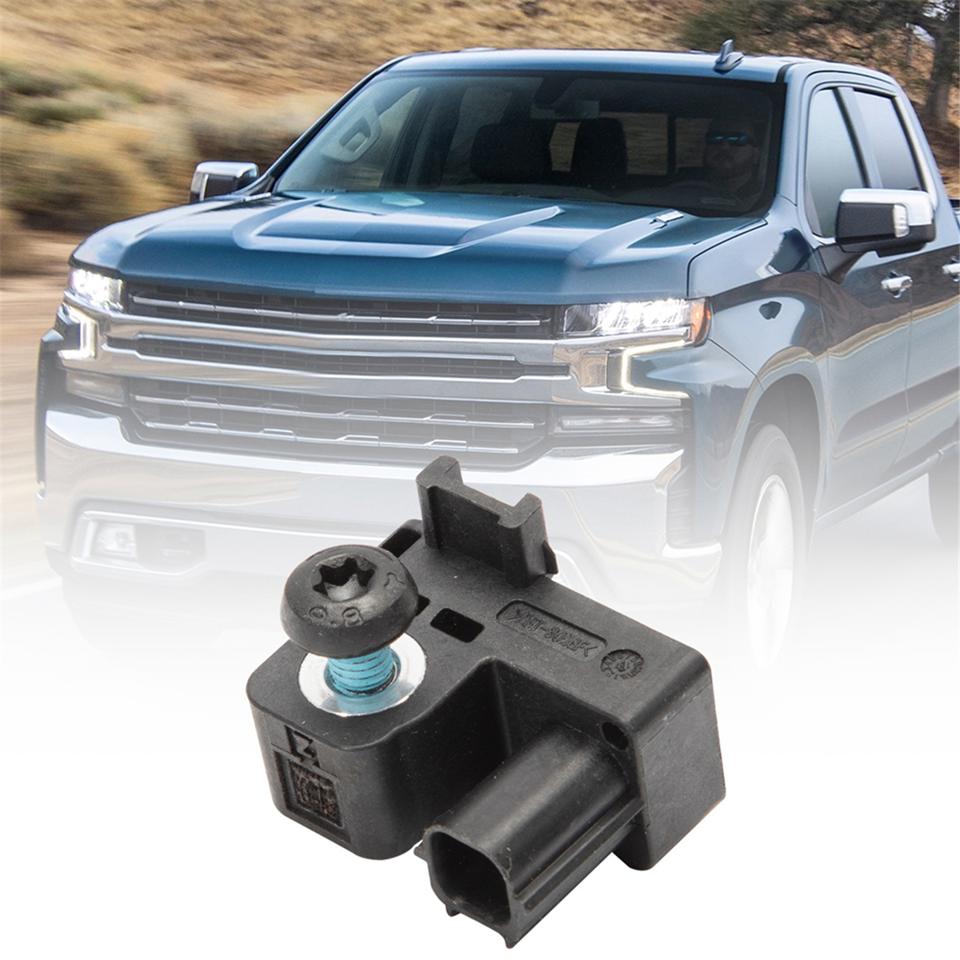
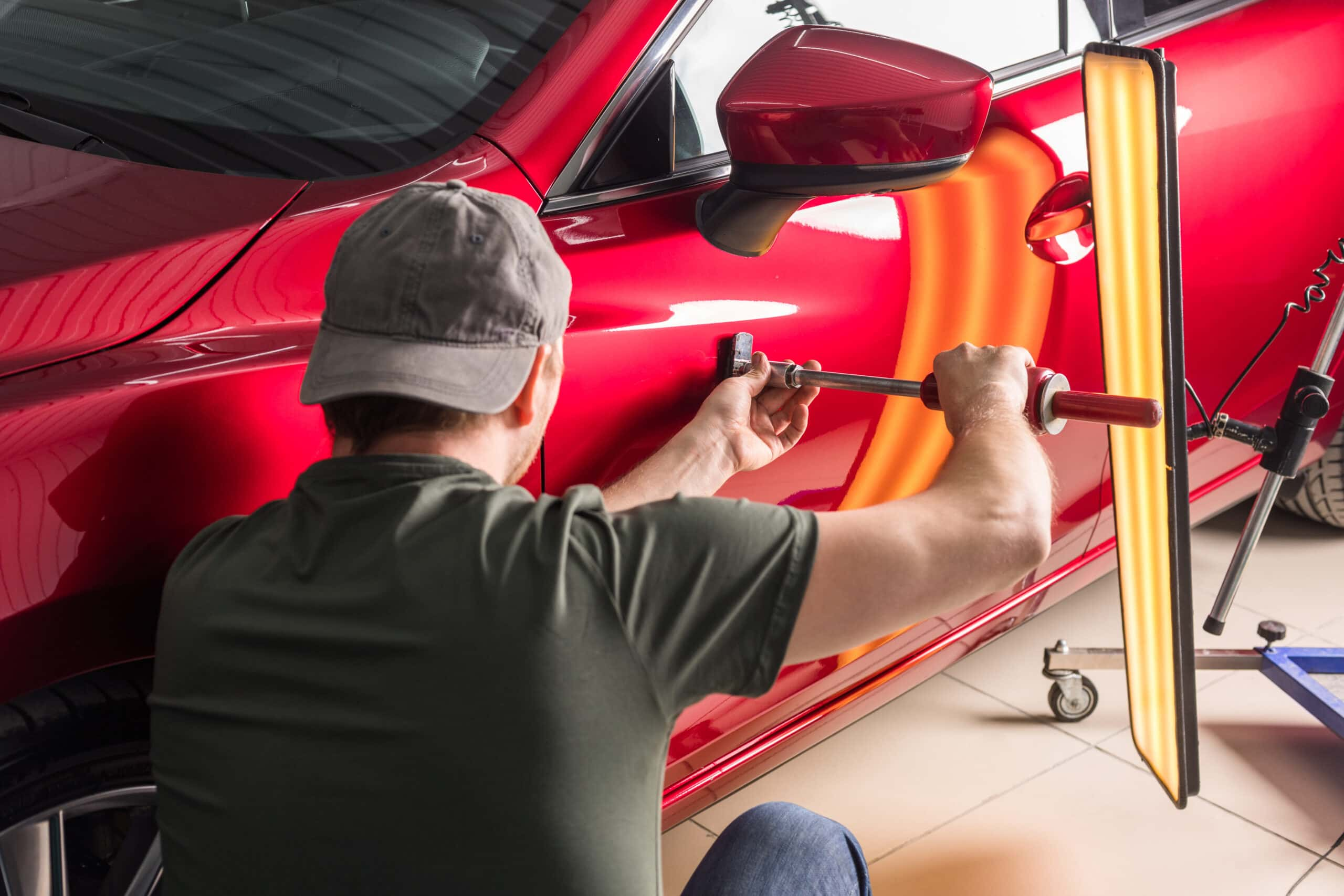
Repairing a modern vehicle often requires more than simple part replacement. Shops must now perform diagnostic scans, verify system integrity, and calibrate sensitive sensors to ensure safety features continue to function as intended. This process frequently extends repair timelines and increases labor costs. Greg Ritter, Head of Auto Product at Farmers, advises consumers to review their insurance coverage and deductibles to better align with the reality of modern vehicle maintenance. As repair technology evolves, proactive communication with agents and choosing repair facilities with specific expertise in ADAS systems has become essential for managing the long-term costs of vehicle ownership.



Comments (0)
No comments yet. Be the first!