
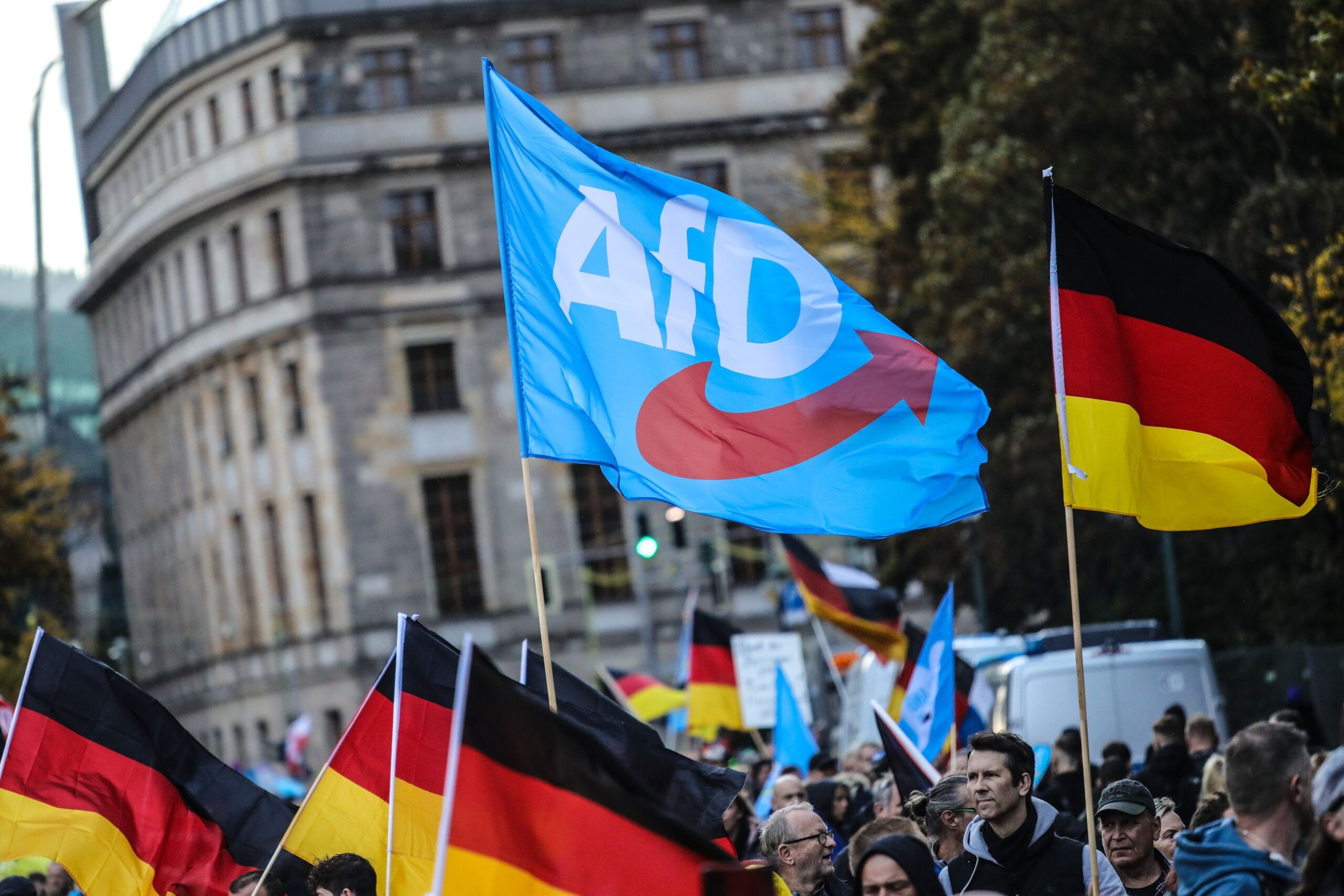
Reint Gropp, president of the Halle Institute for Economic Research, argues that the AfD’s appeal stems less from material deprivation and more from the digital silos that distort public perception. While the state’s chemical industry faces genuine pressure from energy costs and structural rigidity, Gropp notes that personal economic hardship accounts for only a marginal fraction of the party's polling strength. Instead, the rise of the AfD reflects a global trend where social media algorithms cultivate a sense of societal collapse, even among individuals who are objectively prospering.
Germany’s broader economic stagnation, fueled by two decades of stalled reforms and a loss of competitive edge in the automotive sector, has created a fertile ground for populist rhetoric. However, in Saxony-Anhalt, the challenge is compounded by geographic isolation and an outdated reputation for poor quality of life, which complicates efforts to attract talent compared to neighboring regions like Saxony. Gropp warns that the very voters drawn to the AfD’s promises are the ones most likely to suffer under policies that prioritize emotional grievance over coherent economic management.
:focal(0.73:0.51):format(webp)/YXJ0aWNsZXMvaW1hZ2UvMjAyNi8zLzIwMjYwMjE0LWdhZi11MzktMTY3NS5qcGc.webp?w=1920)



Comments (0)
No comments yet. Be the first!