
The first China shock, following Beijing’s 2001 entry into the World Trade Organization, primarily hollowed out sectors like footwear and furniture. While the United States saw mass job losses, the EU managed a net balance as German exports to China and emerging markets buffered the impact. This stability has vanished as China moves rapidly up the value chain through state-directed industrial policies.
Europe Faces a Dual Industrial Siege from China
The initial wave of Chinese imports focused on low-cost labor goods like textiles and toys, causing localized economic pain. Now, a second, more aggressive shock targets the heart of European industrial specialization, forcing the bloc to contend with both traditional manufacturing dominance and high-tech encroachment simultaneously.
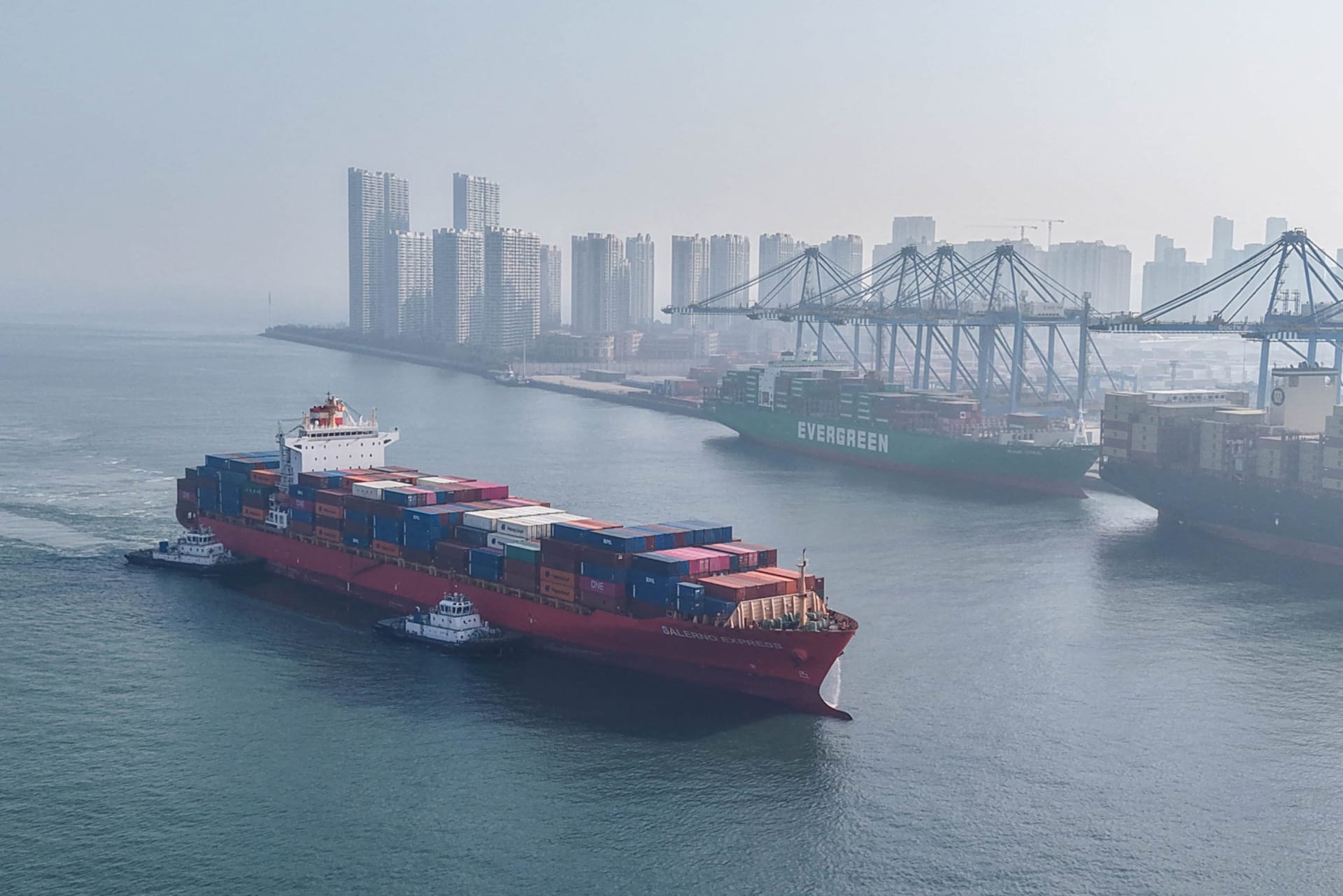
Machinery, electronics, and transport equipment now constitute 55 percent of Chinese exports, closely mirroring Germany’s export profile. Unlike the previous transition, China has not abandoned its original manufacturing base. Instead, it has layered advanced technological production on top of its existing export capacity. Consequently, the EU faces a concurrent challenge: defending its legacy industrial core while navigating a market saturated with both cheap consumer goods and sophisticated Chinese machinery.

:focal(0.73:0.51):format(webp)/YXJ0aWNsZXMvaW1hZ2UvMjAyNi8zLzIwMjYwMjE0LWdhZi11MzktMTY3NS5qcGc.webp?w=1920)

Comments (0)
No comments yet. Be the first!