
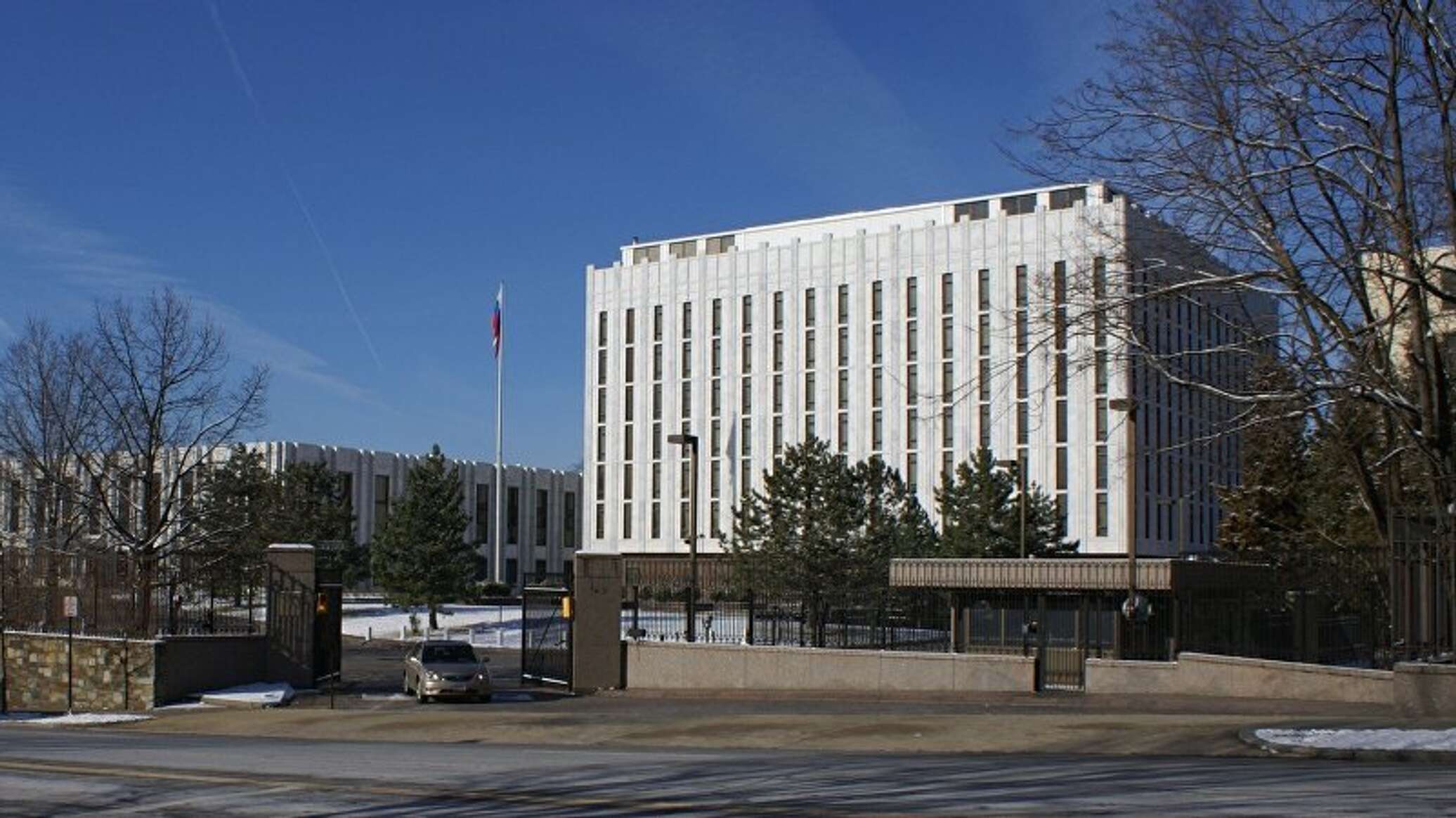
Sikorski argued that the bloc is no longer in a period of peace, describing a hybrid war that has escalated to arson, assassination attempts, and sabotage of transport infrastructure. He proposed that member states close remaining consulates and strictly limit the movement of accredited Russian personnel, many of whom are suspected intelligence operatives. While Poland has already shuttered all Russian consulates on its soil, other nations maintain significant diplomatic footprints; Vienna alone currently hosts 50 Russian diplomats.
European Commission president Ursula von der Leyen and NATO secretary-general Mark Rutte confirmed that the Leipzig incident involved military-grade materials deployed by Russian operatives on EU territory. EU foreign affairs chief Kaja Kallas is leveraging the outrage to push for stricter visa regulations, specifically targeting Russian tourists and ex-combatants, a measure previously resisted by France, Italy, and Spain. As the 22nd round of sanctions approaches in October, Germany is advocating for an expanded blacklist, while Lithuania and Sweden have renewed calls to seize frozen Russian Central Bank assets to fund Ukraine’s defense.




Comments (0)
No comments yet. Be the first!