
The STARTER project, published by ESPON in 2025, offers a granular look at how free trade agreements reshape local economies. By modeling the Mercosur deal across 296 regions, researchers moved beyond national-level assessments to identify specific welfare shifts. While real wage growth is projected to remain modest—generally under one percent—the impact is widespread, with southern European regions in Croatia, Romania, Bulgaria, Spain, and Portugal expected to see the most significant gains.
Mapping the regional divide in EU trade policy
Farmers from France to Poland have taken to the streets to protest the EU-Mercosur deal, highlighting a growing disconnect between Brussels' trade strategy and local economic realities. As the bloc pushes forward, new research suggests that while most regions stand to gain, the benefits remain unevenly distributed across the continent.
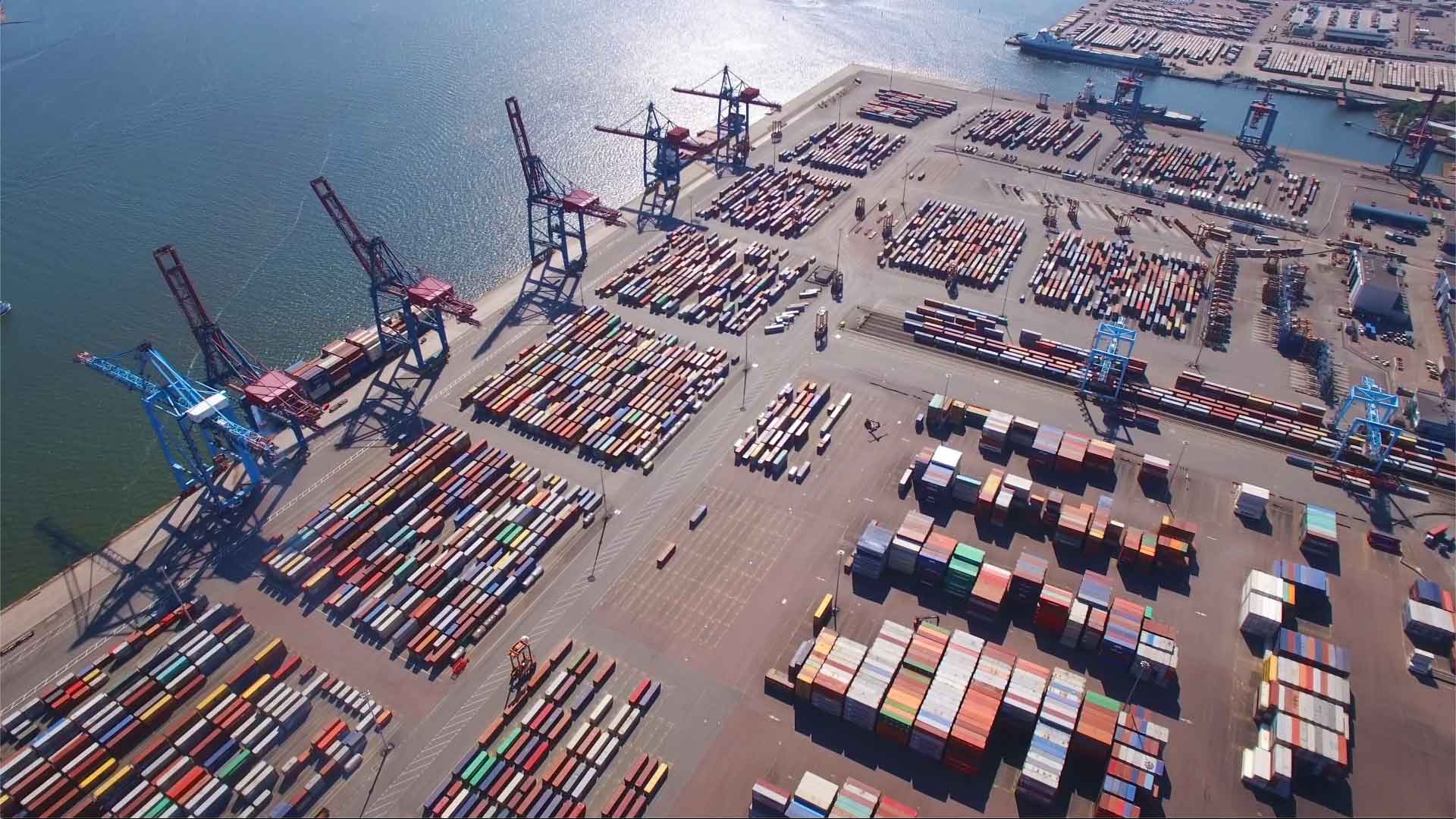
Despite these projections, concerns over agrifood production remain acute. Because the EU operates as a single market, individual regions cannot opt out of trade deals once they are ratified, leaving local industries to compete with imports regardless of regional sentiment. Safeguard clauses exist to mitigate these risks, yet their efficacy depends on evidence that remains localized. By mapping these impacts, policymakers hope to move beyond broad political rhetoric and provide the data necessary to justify trade decisions to skeptical constituencies before the European Parliament grants final approval.




Comments (0)
No comments yet. Be the first!