
Denmark, the Netherlands, Germany, Austria, and Greece have formed a dedicated working group to transition the concept of return hubs from political rhetoric into physical infrastructure. Following a meeting in Copenhagen, Dutch migration minister Bart van den Brink signaled that a shortlist of potential host nations could emerge this autumn. Danish counterpart Morten Bødskov has set an ambitious target to see these facilities operational by 2025. The current strategy draws inspiration from Italy’s bilateral agreement with Albania, which serves as a testing ground despite ongoing legal challenges within the Italian judiciary.
Europe accelerates plans for external migrant return hubs
A coalition of five European nations is pushing to establish offshore return hubs for migrants denied asylum, aiming to bypass the logistical and political impasses of repatriating individuals to their home countries. While officials target next year for implementation, the initiative faces mounting legal scrutiny and persistent human rights concerns.
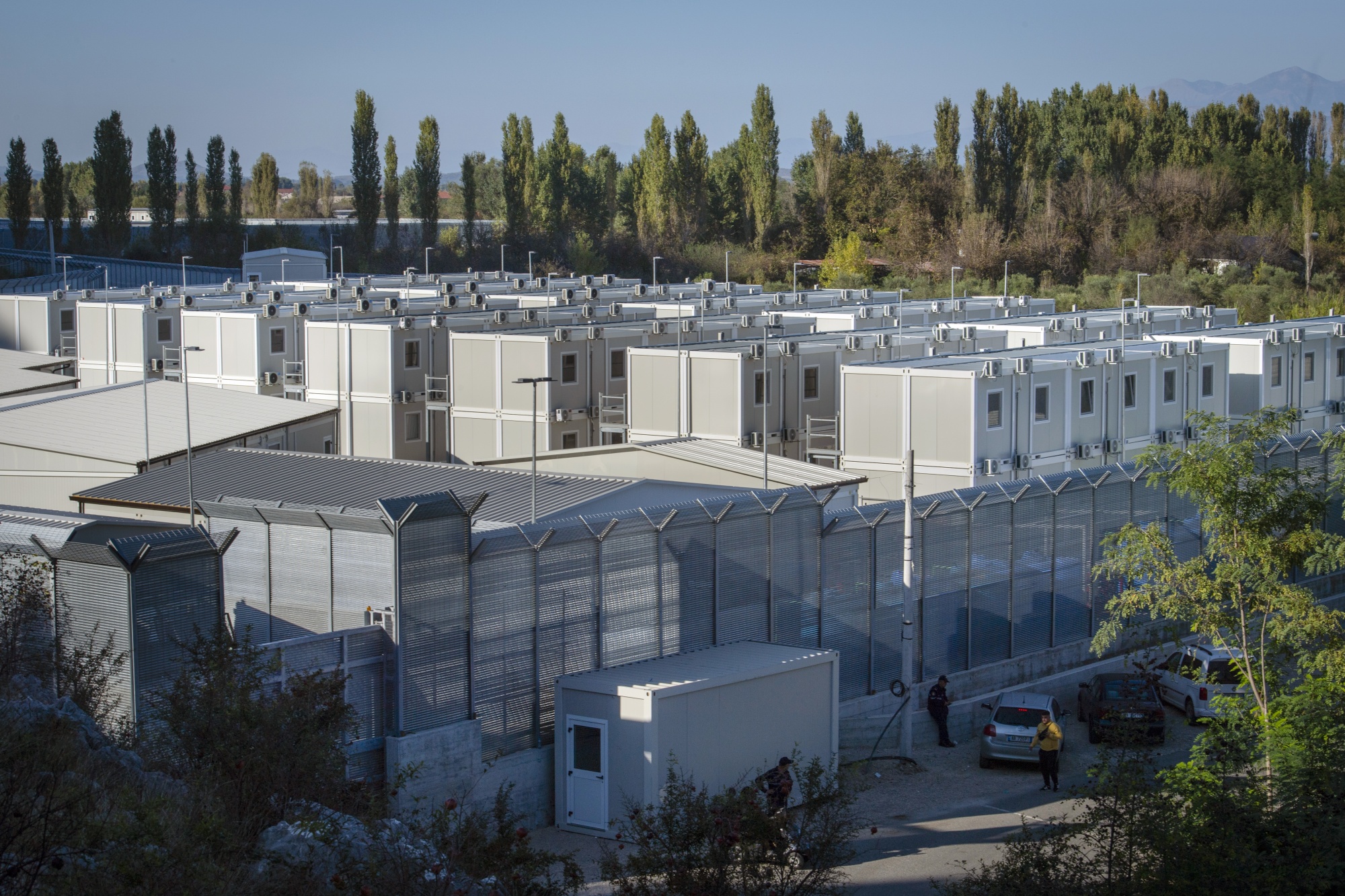
Negotiators are eyeing Rwanda, Uganda, and Uzbekistan as potential partners, with representatives already visiting Kigali in late August. Rwanda remains a primary candidate due to its existing infrastructure for hosting displaced persons from Libya, though the legacy of the United Kingdom’s abandoned deal with the country haunts the current discourse. The UK Supreme Court previously blocked that plan on the grounds that it violated the principle of non-refoulement, which prohibits sending individuals to regions where they face persecution. Similar human rights concerns—specifically regarding the treatment of the LGBTQ community—have already stalled exploratory talks between the Netherlands and Uganda. As the Council of Europe and various advocacy groups prepare for litigation, the feasibility of these hubs remains tethered to the EU’s ability to reconcile its migration policy with international human rights obligations.


Comments (0)
No comments yet. Be the first!