
A circular economy is not merely a technical challenge of recycling and resource management; it is a labor-intensive shift that demands high standards for safety and employment. Trade unions argue that the transition must prioritize quality jobs, fair wages, and robust collective bargaining to avoid replacing traditional industrial models with precarious, low-pay labor. Without binding social conditions, the drive for sustainability could inadvertently foster environments defined by exploitation and unsafe working conditions.
Europe's Circular Economy Needs a Social Foundation
The European Union’s push toward a circular economy risks failure if it continues to overlook the people who power the transition. While policymakers focus on material efficiency and competitiveness, the workforce—ranging from waste collectors to product designers—remains sidelined in the current draft of the Circular Economy Act.
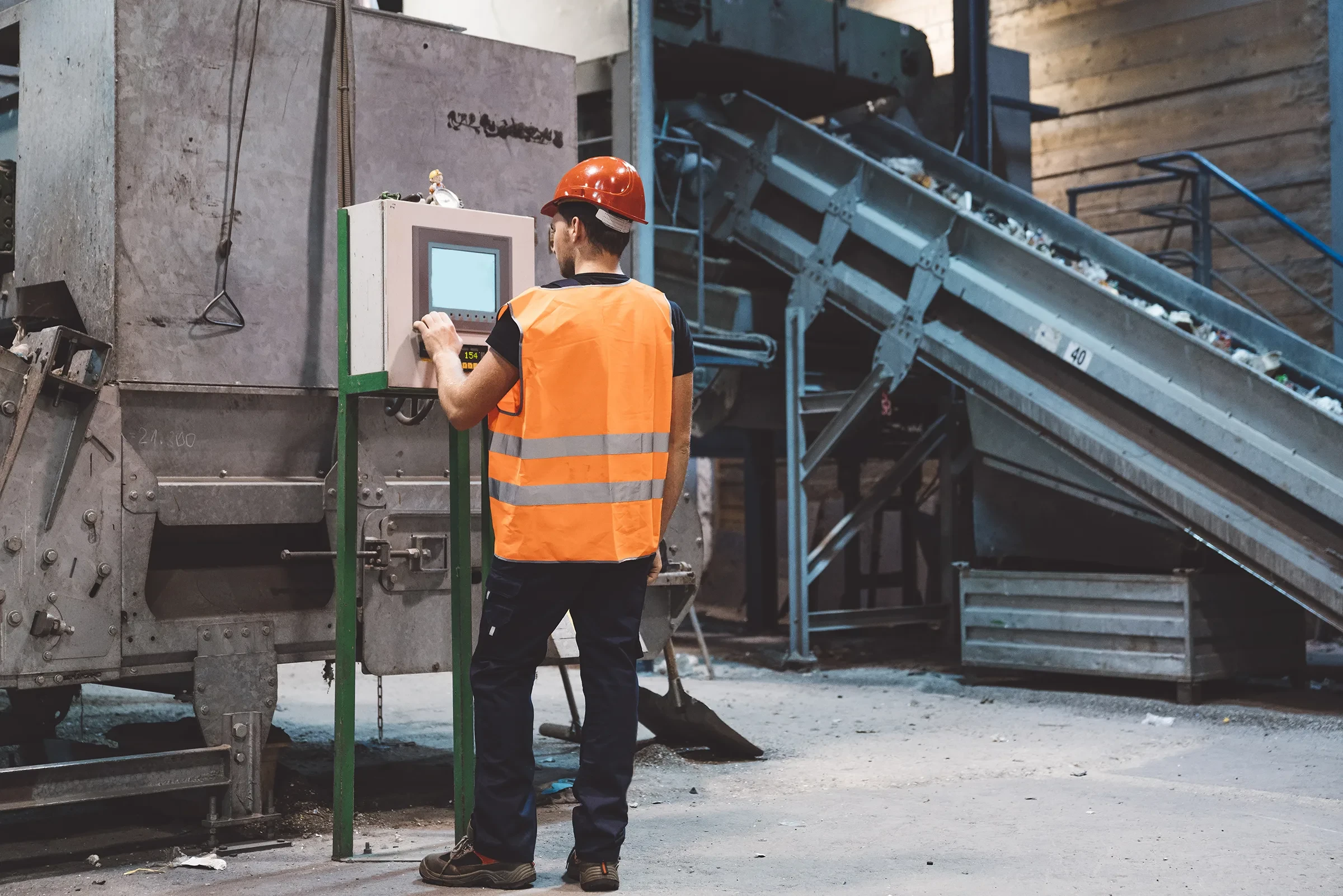
Occupational safety is a critical, yet often neglected, component of the legislative debate. Workers handling hazardous electronic waste or complex new materials face risks that require integrated safety protocols throughout the product life cycle. Furthermore, public funding for circular initiatives must be contingent upon strict adherence to labor rights and environmental standards. The legislation should mandate that companies receiving state support guarantee fair treatment across their entire subcontracting chains. Finally, the EU must avoid the temptation to outsource its environmental goals by exporting waste to regions with weaker protections. Achieving true circularity requires investing in domestic infrastructure and ensuring that workers are active partners in the governance of this industrial transformation.



Comments (0)
No comments yet. Be the first!