
For ordinary Russians, the Duma elections offer no meaningful path to dissent. Parties critical of the war in Ukraine have been systematically barred, leaving voters to choose between the ruling United Russia party and a compliant 'systemic opposition' that mirrors the Kremlin’s aggressive foreign policy. Filip Scherf, a Russia expert based in Prague, notes that the system is engineered to ensure absolute consensus, rendering even tepid calls for peace—such as those once voiced by the Yabloko party—grounds for exclusion.
Russia’s Managed Elections and the Rise of the War Elite
Conflict lead: As Russia begins its parliamentary voting window, the Kremlin faces a paradox: it demands high turnout to validate its authority while simultaneously stripping the ballot of any genuine political choice. With anti-war voices purged, the contest serves not as a democratic exercise, but as a rigid test of loyalty.
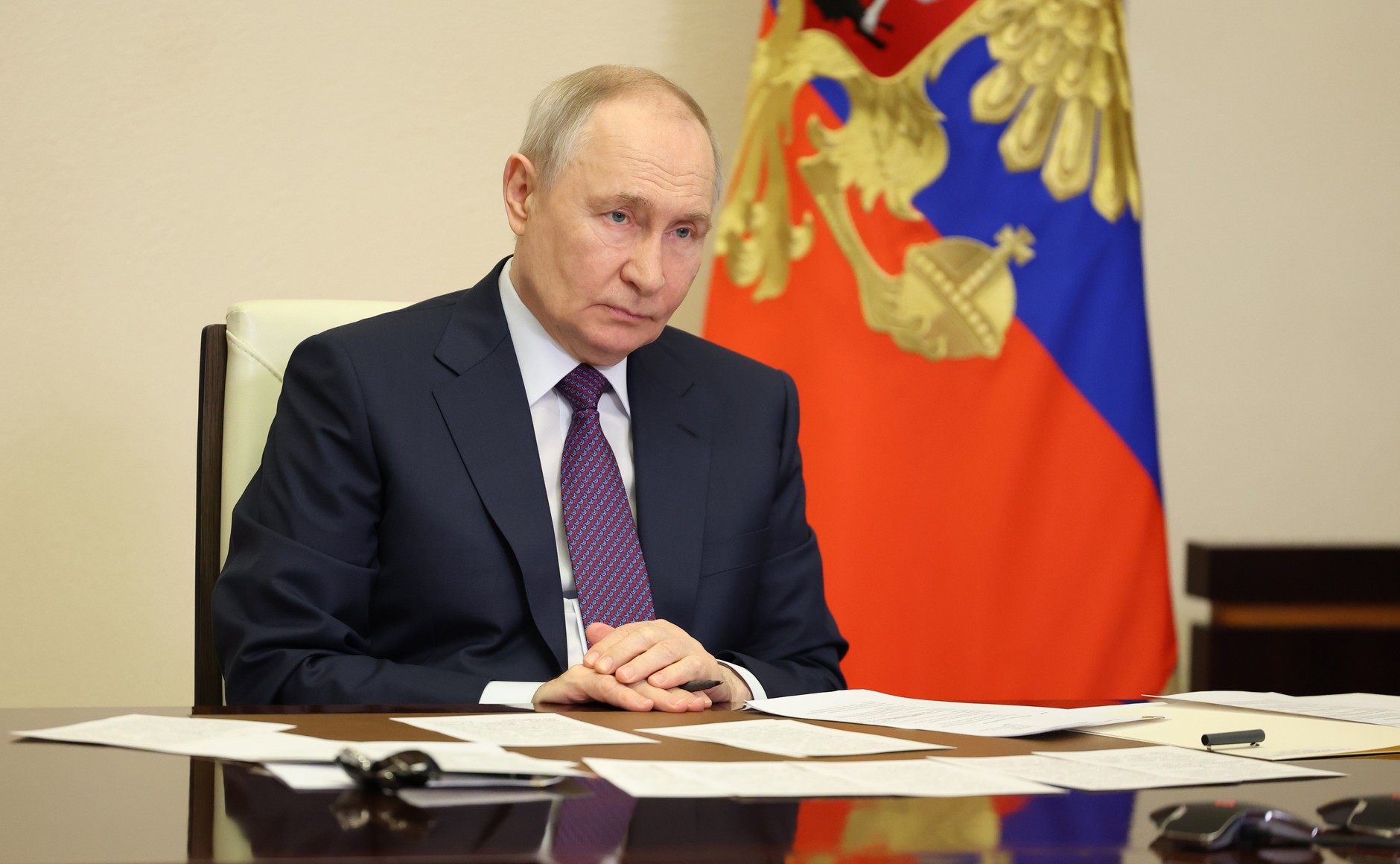
This cycle introduces a volatile new element: an emerging class of nationalist war veterans seeking seats in the legislature. These candidates are often more radical than the Kremlin establishment, effectively narrowing Vladimir Putin’s room for diplomatic maneuvering. By prioritizing an existential 'meta-narrative' of defense against the West over domestic policy, Putin has tethered his political survival to the war effort. While the state pushes for record participation to cement its image of stability, the reality is a society split between those rallying around the flag and a growing segment of the population that feels increasingly alienated and powerless.



Comments (0)
No comments yet. Be the first!