
The capital’s housing market has undergone a dramatic reversal since 2003, when the city rebranded itself as a "poor but sexy" hub for startups. While the post-Wall era was defined by an oversupply of empty units, the subsequent influx of residents—drawn by a booming tech sector and research institutions—has left the city unable to keep pace with demand. Today, renters face costs reaching €15.78 per square meter, excluding utilities, while Germany as a whole faces a total deficit of 1.4 million lower and middle-priced homes.
Berlin’s Rent Crisis Fuels Political Extremes
In Berlin, the dream of an affordable, bohemian lifestyle is colliding with a harsh reality: a shortage of 100,000 apartments. As rent prices have surged 75 percent over the last decade, economist Alexander Kritikos warns that the city’s failure to house its growing population is driving voters toward radical political fringes.
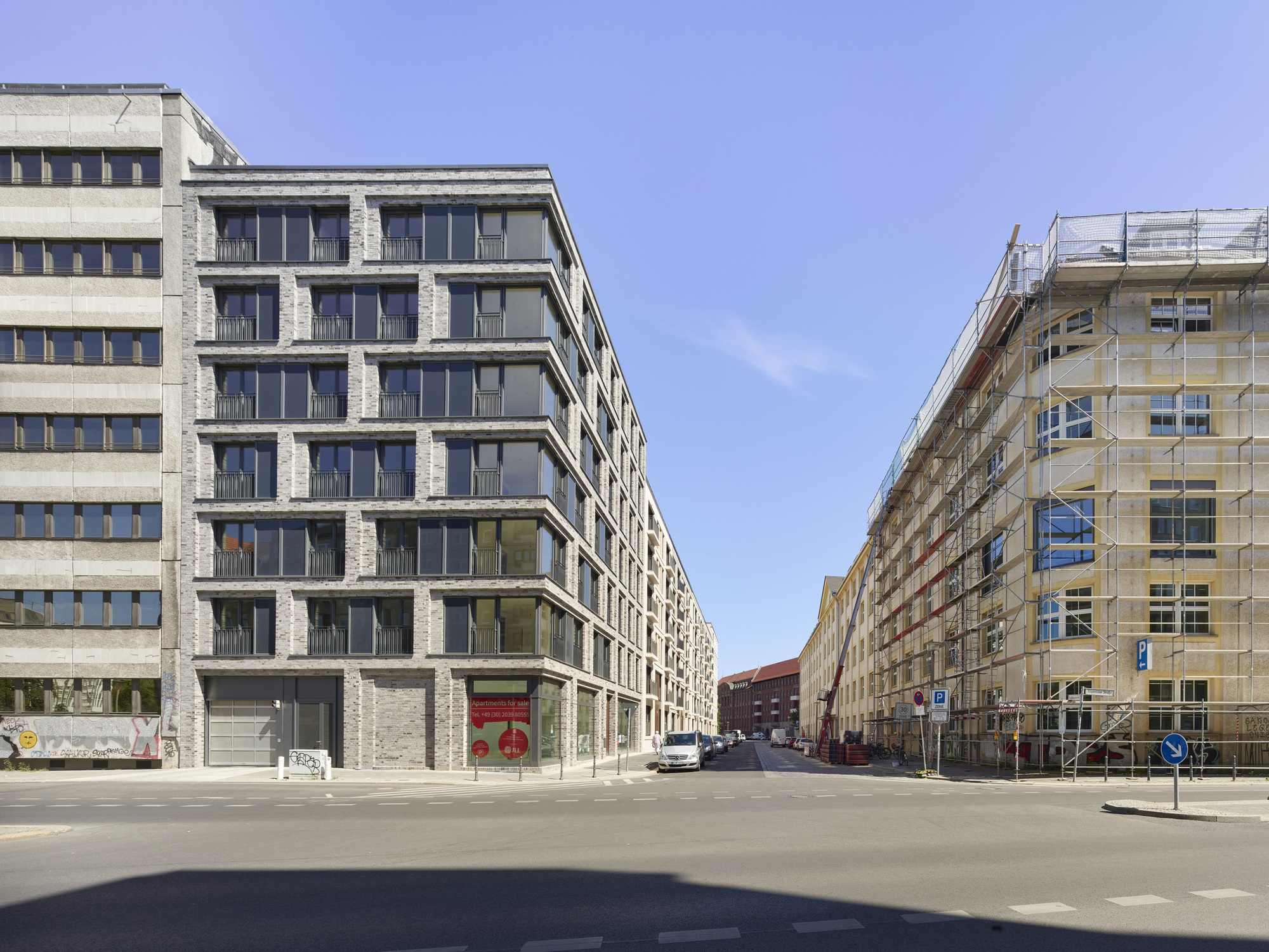
Kritikos, an economist at the German Institute for Economic Research, argues that the crisis is largely self-inflicted. He points to a bureaucratic landscape that makes construction sluggish and prohibitively expensive. When combined with rent-control regulations, these hurdles have discouraged investors, effectively stalling new developments. Meanwhile, political proposals to expropriate 220,000 flats from corporate landlords—backed by 58 percent of Berliners in a 2021 referendum—are dismissed by critics as a distraction. Such measures merely redistribute existing stock rather than addressing the fundamental lack of supply, potentially reviving the era of cronyism that once plagued public housing allocations.




Comments (0)
No comments yet. Be the first!