
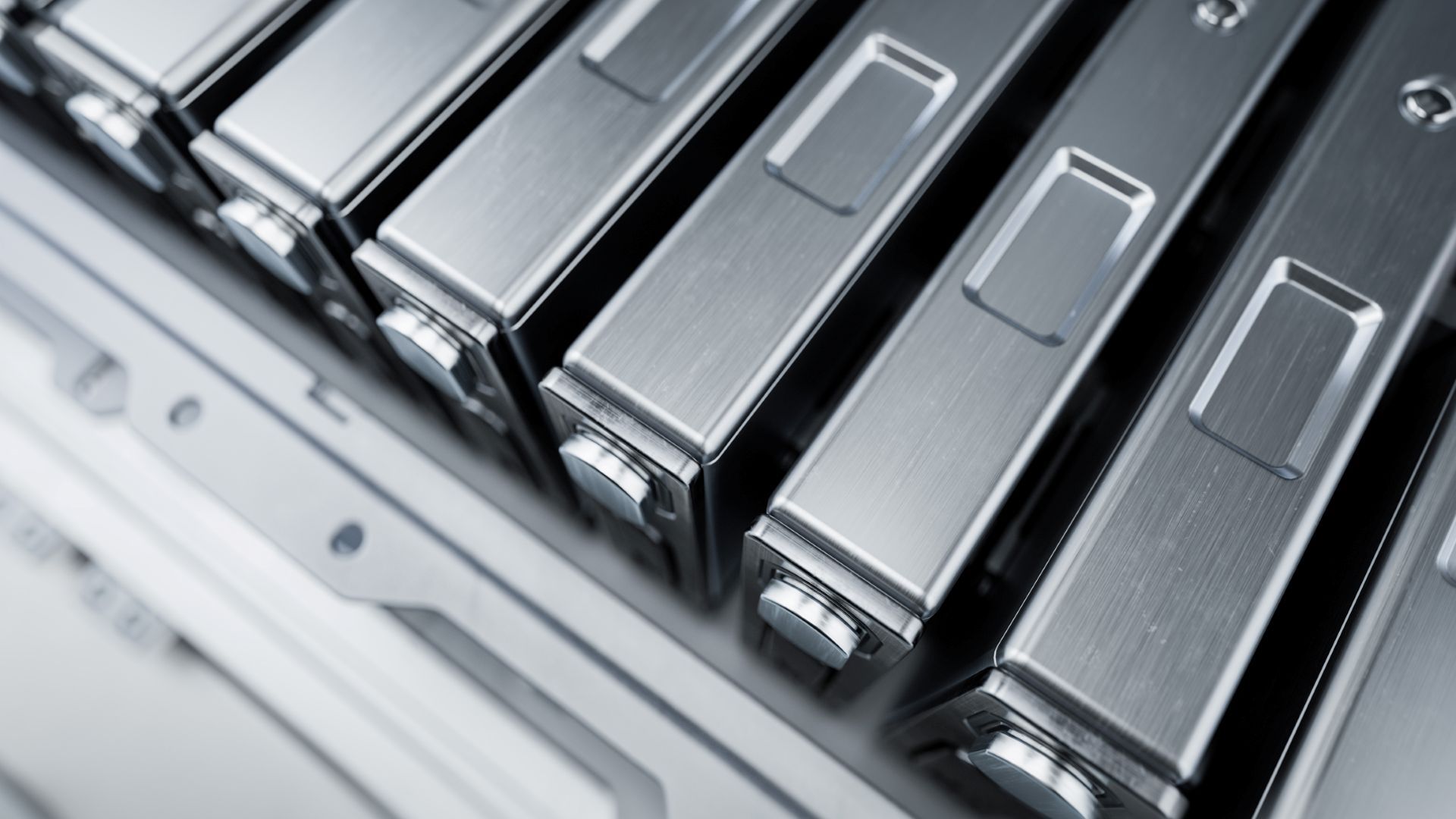
Lithium-ion batteries have long dominated the energy sector, yet their reliance on rare metals like cobalt and nickel, combined with inherent flammability, has spurred a search for safer, cheaper substitutes. Aluminum-ion batteries represent a promising path forward due to the metal's abundance and high theoretical energy density. Previous attempts to harness this potential often faltered, as corrosive ionic liquid electrolytes necessitated the use of expensive materials like molybdenum or tantalum for cathode current collectors.
Dr. Mori’s latest iteration utilizes an aqueous electrolyte, which eliminates the need for inert gas manufacturing environments and toxic components. The key technical shift involves the use of a commercially available conductive carbon rubber sheet. This porous material allows for a 3D composite structure where the cathode active material penetrates the sheet, creating an expanded surface area for electrochemical reactions. Laboratory results show the battery reaching an initial capacity of at least 210 mAhg-1, maintaining stability over 25 cycles with clear redox peaks observed even after 100 cycles.




Comments (0)
No comments yet. Be the first!