
For the past three years, Zero Latency VR has leveraged its free-roam technology to put players in the crosshairs of digital zombies and haunted house apparitions. With the anniversary of its flagship horror titles Outbreak and Haunted, the company sought to validate the visceral reactions of its patrons. Scrivner, an expert from Arizona State University, suggests that the appeal lies in the ability to simulate stress without real-world consequences, allowing the brain to practice fear management while knowing the threats are simulated.
Why We Pay to Be Scared: The Science of Immersive VR
As Halloween approaches, Zero Latency VR has enlisted Dr. Coltan Scrivner to decode the human obsession with terror. The research scientist, known for his work on recreational fear, argues that immersive virtual environments offer a unique psychological sandbox for players to confront and regulate their anxiety in a controlled setting.
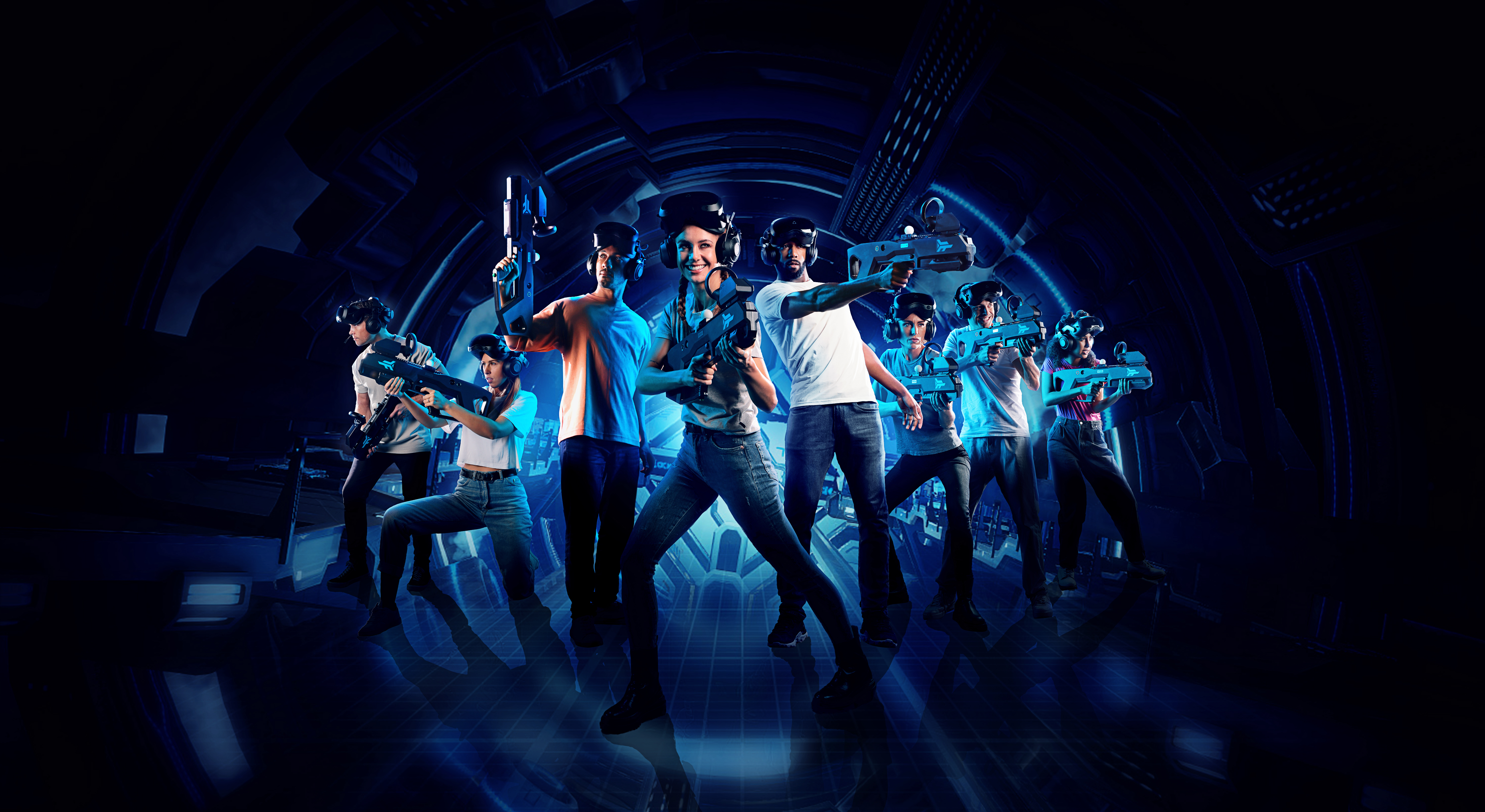
Unlike traditional horror media, free-roam VR removes the barrier of a screen, which Scrivner notes is the catalyst for genuine physiological responses. CEO Tim Ruse points to the elevated heart rates of his customers as a metric of success, asserting that the company’s decade of experience in perfecting the jump scare is now backed by empirical observation. To mark the season, the network is rolling out double-feature packages across its 150 global venues, pairing titles like Undead Arena and Haunted to ensure a sustained adrenaline spike.


Comments (0)
No comments yet. Be the first!