
The stakes for Brussels extend far beyond standard diplomatic relations. Lula’s current term saw the finalization of a trade agreement two decades in the making, alongside a significant 16.7 percent drop in national emissions during 2024. However, the prospect of a Bolsonaro administration—aligned with the policies of his imprisoned father—threatens to dismantle these environmental gains. Analysts warn that a shift in power could jeopardize European access to critical minerals and stall cooperation on deforestation, potentially aligning Brazil more closely with the Trump administration’s trade agenda.
Brazil's Election Puts EU-Mercosur Trade Ties to the Test
As Brazil heads to the polls this Sunday, the European Union faces a nervous wait regarding the future of its landmark trade deal with the Mercosur bloc. Incumbent Luiz Inacio Lula da Silva faces a razor-thin contest against Flávio Bolsonaro, whose victory could signal a sharp geopolitical pivot toward Washington.
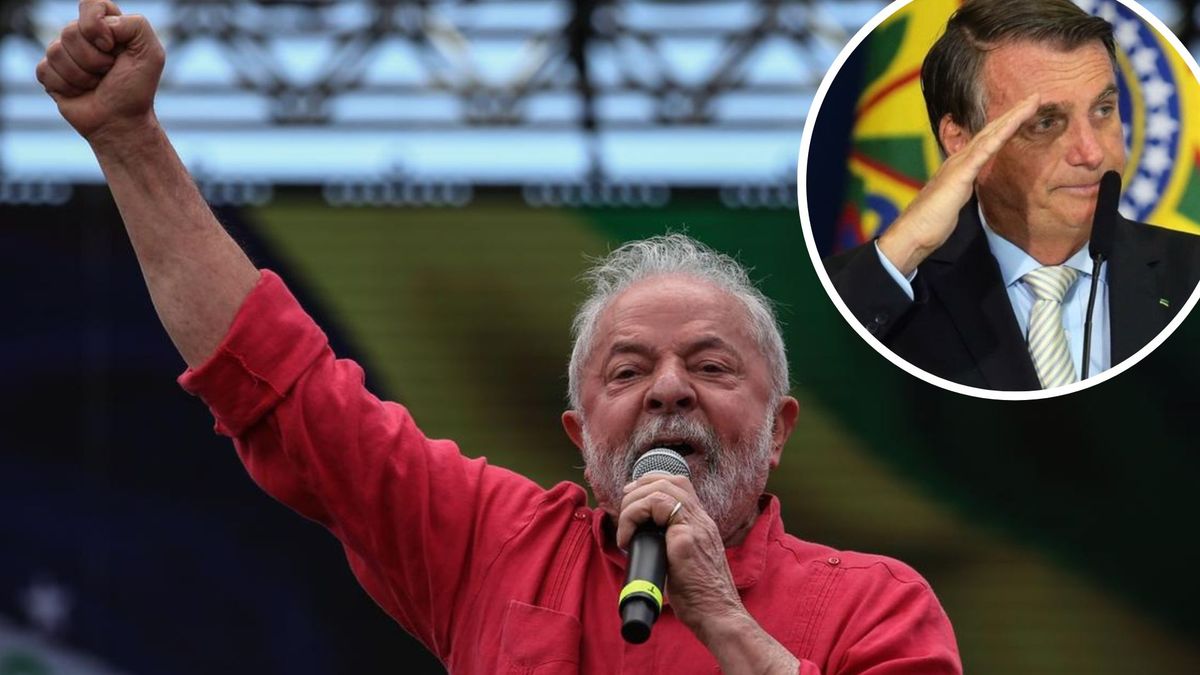
Despite the political volatility, some European officials suggest the partnership is resilient enough to survive an electoral upset. Leire Pajin, vice-president of the Euro-Latin American parliamentary assembly, maintains that the Mercosur agreement transcends individual government cycles. Yet, with Meta recently disabling campaign ads amid accusations of foreign interference, the atmosphere remains charged. Whether Brazil pursues a path of climate-conscious trade or pivots toward fossil fuel expansion, the outcome will dictate the rhythm of EU-Latin American diplomacy for years to come.




Comments (0)
No comments yet. Be the first!