
The company’s new material targets the flexspline, a core component that transmits power within robotic joints. By utilizing proprietary alloy design and thermal deformation control, engineers have minimized the microscopic gaps between interlocking gears. This advancement allows robotic limbs to operate with higher accuracy, effectively bringing gear backlash to near-zero levels. To ensure the durability required for continuous industrial movement, the steel undergoes an ultra-clean vacuum degassing process. This technique removes non-metallic inclusions that typically cause micro-cracking, significantly extending the fatigue life of the components.
SeAH Besteel Moves Into Mass Production of High-Precision Robot Steel
Seoul-based SeAH Besteel has commercialized a specialized steel alloy designed for robotic reducers, aiming to replace imported materials with domestic production. The new alloy addresses critical mechanical challenges, including gear backlash and thermal deformation, marking a strategic shift for the Korean manufacturer into the burgeoning humanoid robotics market.
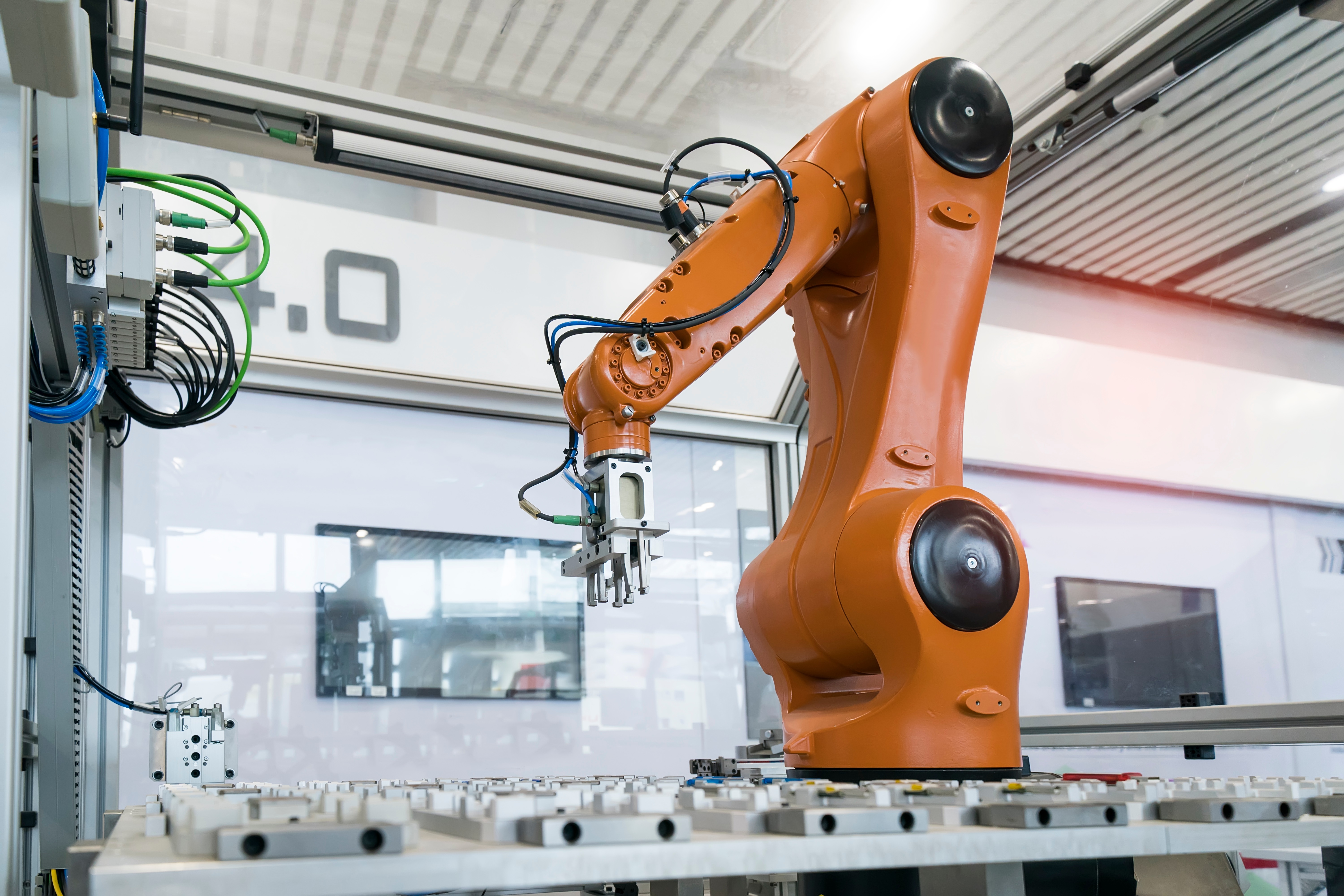
Mass production is already underway following an initial supply agreement in February with SPG, a South Korean manufacturer of precision reducers. SeAH Besteel plans to leverage this manufacturing capability to broaden its portfolio, specifically targeting the requirements of next-generation humanoid robotics. By localizing the production of these high-performance materials, the firm intends to reduce reliance on foreign supply chains that have historically dominated the robotics sector.




Comments (0)
No comments yet. Be the first!