
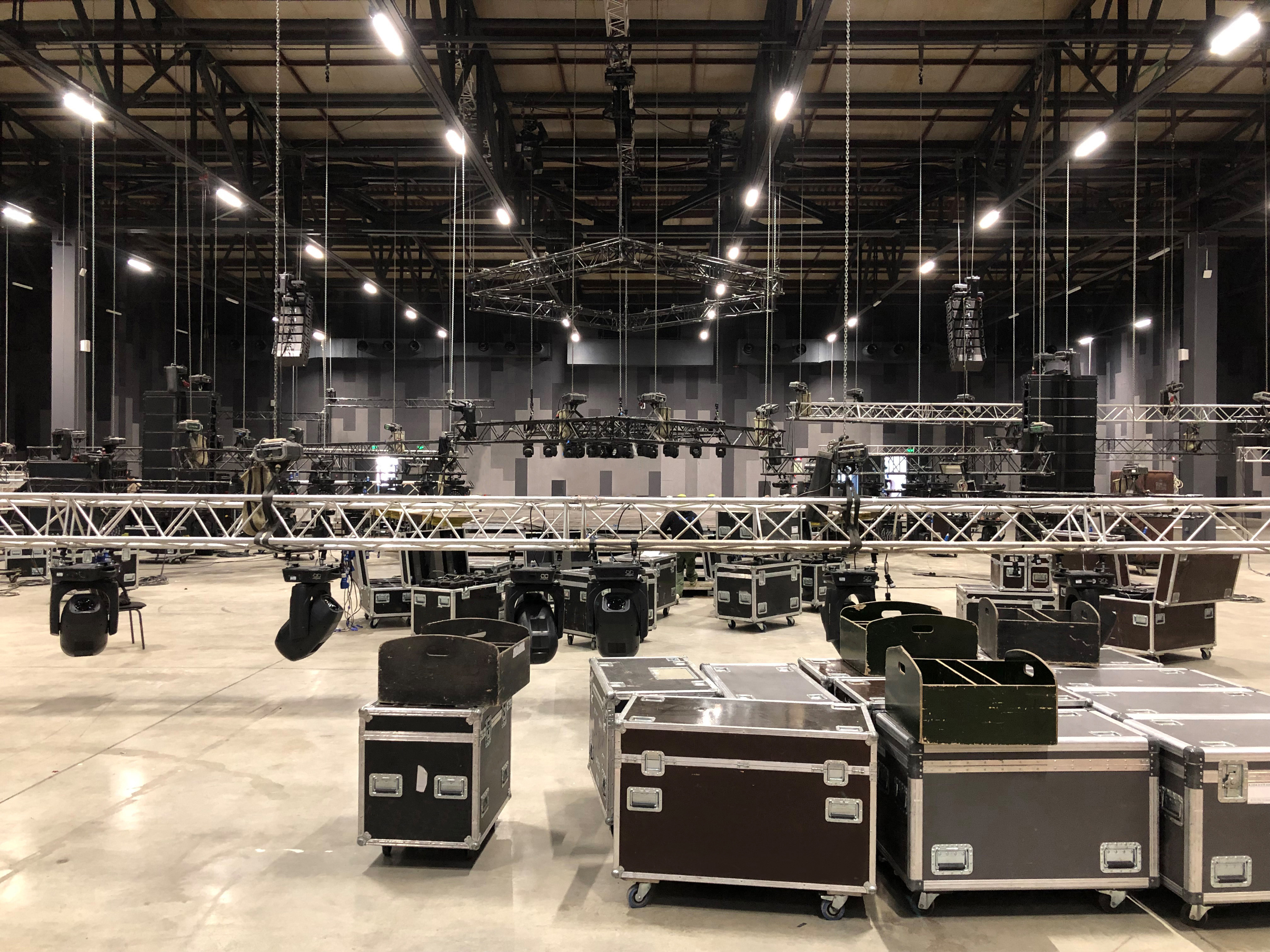
The planning process begins by defining the event’s purpose and budget, which dictates every subsequent decision from artist booking to technical infrastructure. According to Hall, choosing a performer requires balancing artistic vision with venue capacity and strict contractual obligations. These agreements must detail more than just payment; they must explicitly cover travel, performance windows, and the specific production needs that artists demand for their sets.
Technical coordination remains a critical pillar of the operation. Production teams must assess whether a venue can support specific lighting, electrical, and sound requirements well in advance. This synchronization extends to the schedule, where load-in times, sound checks, and security briefings must be mapped out with enough buffer space to absorb unexpected delays. Centralized communication ensures that vendors, artists, and security staff operate from the same playbook, minimizing friction on show day.


Comments (0)
No comments yet. Be the first!