
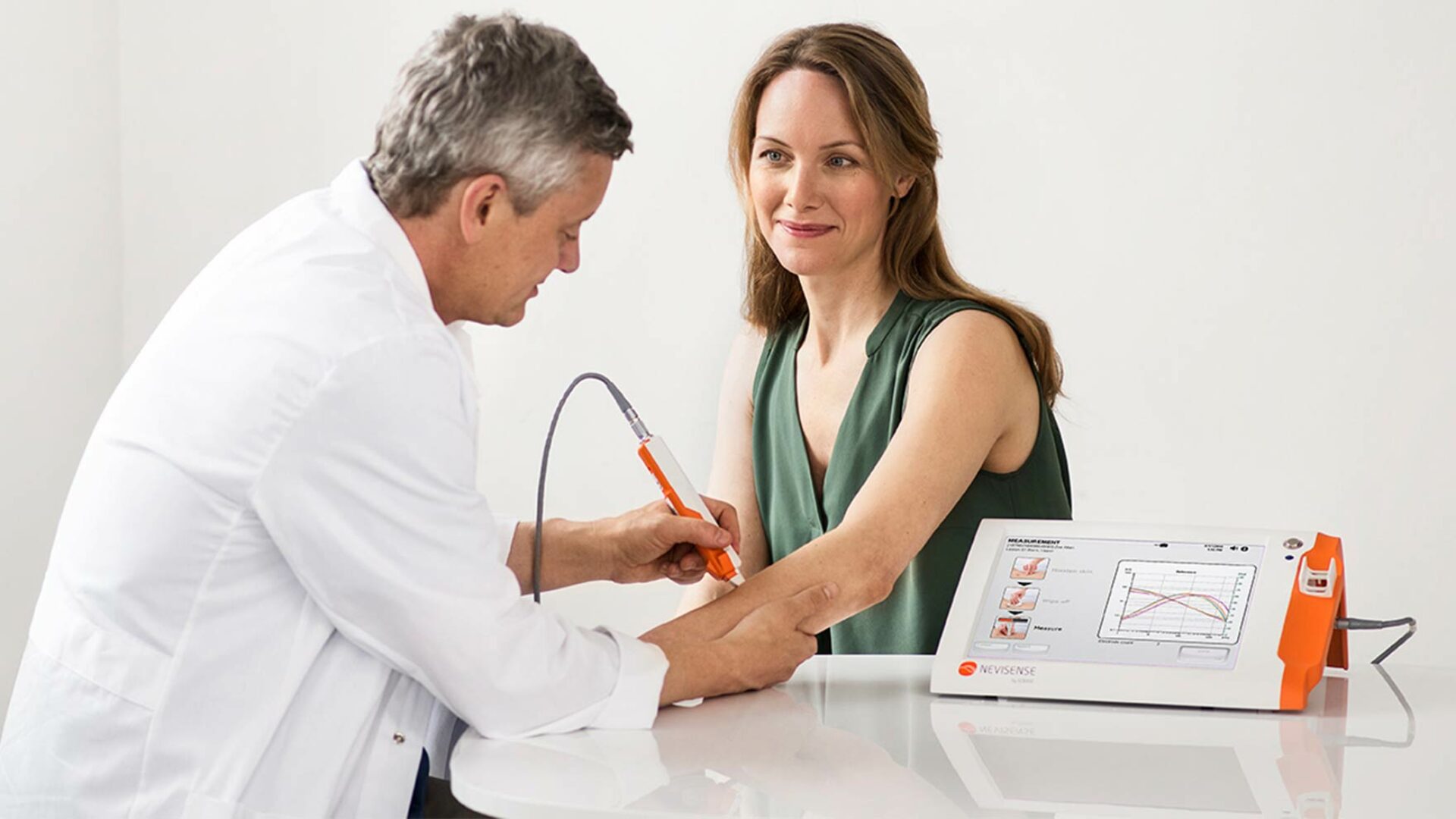
The study, conducted in partnership with the Swiss Institute of Allergy and Asthma Research, tracks 80 healthy volunteers to determine the physiological impact of common irritants. Participants face controlled exposure to products containing sodium lauryl sulfate, as well as synthetic versus natural textiles. Researchers will use the Nevisense device to monitor skin impedance, which serves as a proxy for barrier function, alongside traditional molecular and microbiome analysis. This selection marks a significant validation for the Stockholm-based firm, positioning its diagnostic platform as a standard for objective skin assessment in clinical research. SciBase CEO Pia Renaudin noted that the integration of their technology into an NIH-led initiative underscores the scientific necessity of precise, impedance-based barrier measurement in dermatological and cosmetic development.
NIH Adopts SciBase EIS Technology for Skin Barrier Research
The U.S. National Institutes of Health has tapped Swedish medical technology firm SciBase to provide the primary measurement tool for its latest dermatological study. Known as THREAT, the research project will utilize the company's Electrical Impedance Spectroscopy technology to quantify how daily environmental exposures alter the integrity of human skin.




Comments (0)
No comments yet. Be the first!