
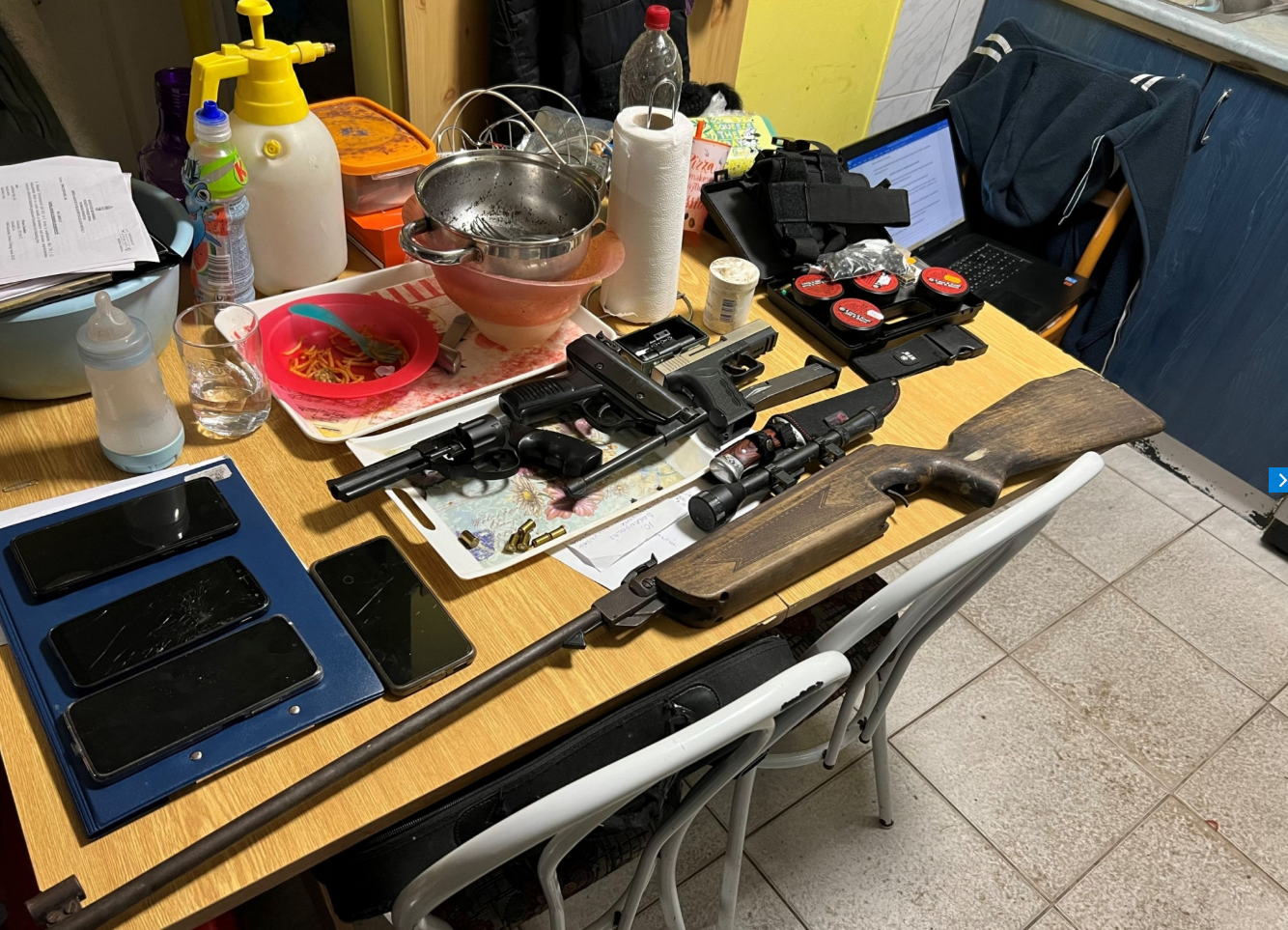
Áron Orbán, brother of former prime minister Viktor Orbán, was taken into custody on 9 November and remanded in pre-trial detention for a month over concerns about possible evidence tampering. The Budapest Prosecutor’s Office said that, over several months in 2024, he and three associates helped Vietnamese citizens travel to Western Europe through Hungary, allegedly assisting with visa procedures and charging recruitment fees. Authorities say more than 100 people may have been involved. The investigation, handled by the National Office for Asset Recovery and Asset Protection, concerns suspected influence peddling and other offences.
Prime Minister Péter Magyar also faced criticism over the mistaken publication of secret-police archive lists that named 164 people, including Fidesz politician Sándor Lezsák, as former agents when they had been surveillance victims. Magyar apologised and said parliament, rather than his government, controls the archives. He was separately criticised after a video tour of Parliament showed calendars featuring naked women in a basement workshop, and after he mocked an opinion piece by 444.hu editor-in-chief Veronika Munk that condemned the imagery.
On 12 November, Magyar announced a social and criminal-law package to protect victims of domestic violence and abused women. Proposals include stricter restraining-order rules, making the misuse of intimate recordings a standalone offence, establishing voluntary consent as the standard for sexual acts, and providing special treatment for victims in criminal proceedings. The package would also amend the “heartbeat decree,” remove prescription requirements for the morning-after pill, address period poverty, strengthen support for pregnant women and begin the process of ratifying the Istanbul Convention. Neither the decree amendment nor ratification was included in Tisza’s election programme.


Comments (0)
No comments yet. Be the first!