
American, Ukrainian and Russian negotiators have resumed peace talks, reaching a limited agreement to exchange prisoners of war. Jared Kushner, President Donald Trump’s envoy, says Washington is pursuing “a broader European security architecture” built around permanent security consultations, reliable crisis communications, greater military transparency, reciprocal steps to reduce escalation risks and a long-term stability framework. Russian Foreign Minister Sergei Lavrov has also called for a wider European security arrangement before a deal to end the war.
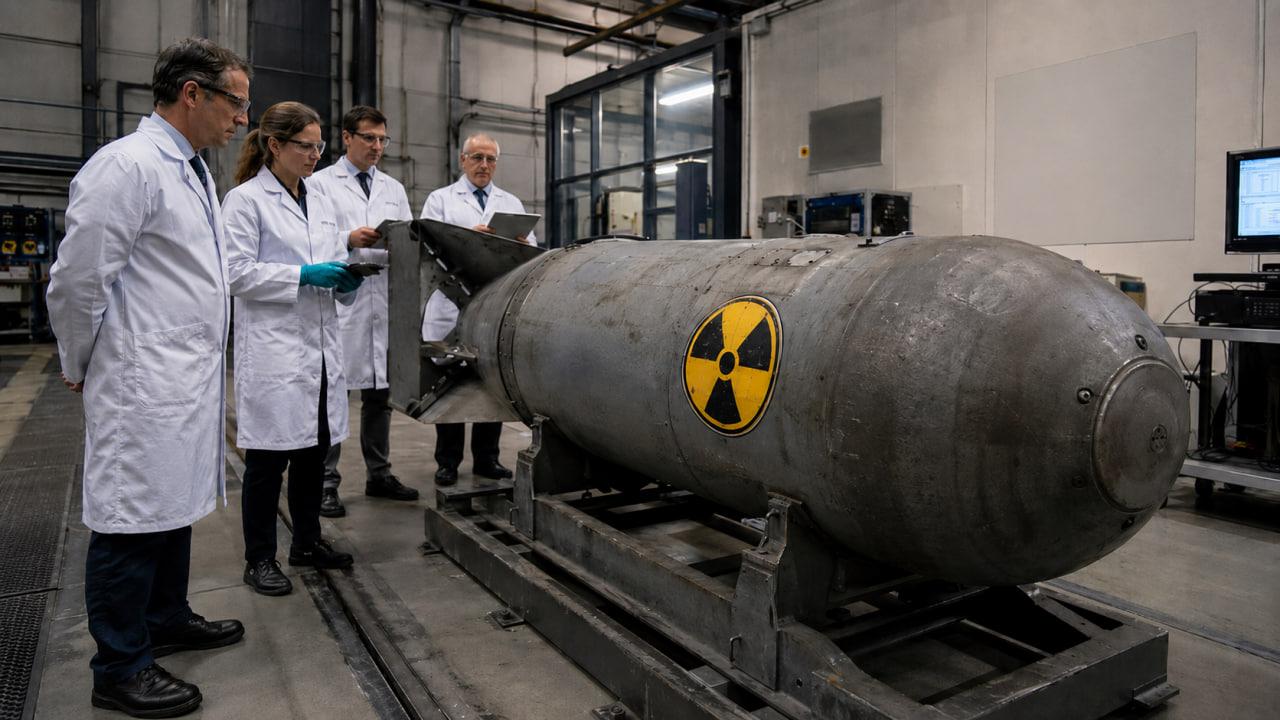
The article argues that each of Kushner’s five goals has a nuclear dimension. Since February 2022, President Vladimir Putin has used implicit and explicit nuclear threats in an effort to gain tactical advantage in the full-scale invasion, it says. It also warns that for almost a year the United States and Russia have had no binding limits on their strategic arsenals. A peace deal that rewards territory seized under nuclear coercion, the article says, could encourage other countries to seek nuclear weapons.
It also criticises Europe’s response. In March, French President Emmanuel Macron announced the first increase in France’s nuclear arsenal in more than three decades and introduced an undefined “forward deterrence” concept. The article says such steps risk adopting Moscow’s logic by intensifying a contest of nuclear threats and increasing the chance of miscalculation.



Comments (0)
No comments yet. Be the first!