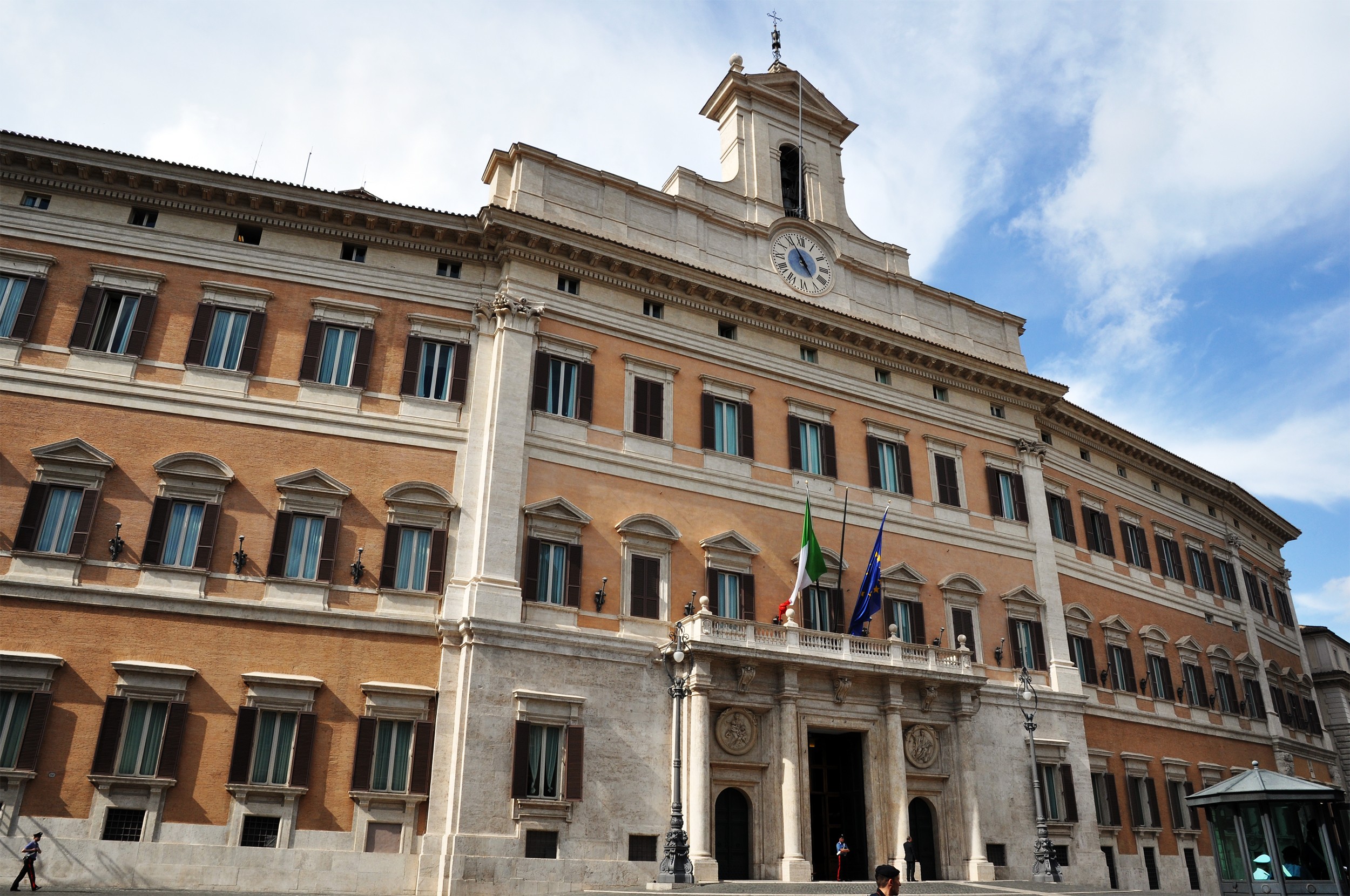
Italy’s parliament has adopted the International Holocaust Remembrance Alliance’s definition of antisemitism, extending its use across schools, universities and social-media platforms. The bill passed 147-93 on Tuesday, 17 November, amid warnings from Amnesty International that it could blur the line between anti-Jewish discrimination and criticism of Israeli government actions.
The measure does not impose financial penalties or criminal sanctions. But Amnesty International senior director for policy and research Erika Guevara Rosas said it could still affect public debate. Branding criticism of Israel’s occupation, apartheid system or actions in Gaza as antisemitic, she said, risks shielding state policies from scrutiny. She also warned that conflating criticism of a state with antisemitism could undermine efforts to identify and address genuine antisemitism.
Supporters of the bill cited rising anti-Jewish violence and aggression. The article argues that the vote comes as fascist-era legacies remain visible in Italian cities and regions, and points to Rachele Mussolini, granddaughter of Italy’s late fascist dictator, leaving Prime Minister Giorgia Meloni’s Brothers of Italy party over its treatment of minorities.
The article also places the vote against a wider debate about restrictions on protest and speech in Europe. It cites the UK’s arrest of more than 4,000 Palestine Action activists involved in peaceful protests against Israel’s actions in the occupied territories. It also notes that Germany’s parliament passed a non-binding resolution backing the IHRA definition in 2024, and that Germany is considering a law making denial of Israel’s right to exist a crime punishable by up to five years in prison.
The author links the Italian government’s record to the bill, citing tightened citizenship rules, anti-rave measures, welfare cuts and limited outsourcing of migrant processing to an expensive centre in Albania, alongside stalled economic growth. These political judgments are the author’s, while the concerns about the bill’s effects on expression are attributed to Amnesty International.




Comments (0)
No comments yet. Be the first!