
Security requirements across military and civilian sectors are shifting as drones become common tools for illegal surveillance, contraband delivery, and perimeter intrusion. According to MarketsandMarkets, traditional RF and GPS/GNSS jamming methods remain the industry standard, favored for their proven field reliability and cost-effectiveness compared to emerging AI-based alternatives. These conventional systems, ranging from handheld units to vehicle-mounted solutions, currently dominate the market landscape.
Global Drone Jammer Market Expected to Reach $5.9 Billion by 2031
The global market for UAV jammers is poised for significant expansion, projected to grow from $1.77 billion in 2026 to $5.90 billion by 2031. Driven by the rising threat of unauthorized drone incursions, this sector is experiencing a compound annual growth rate of 27.2% as agencies prioritize non-kinetic neutralization.
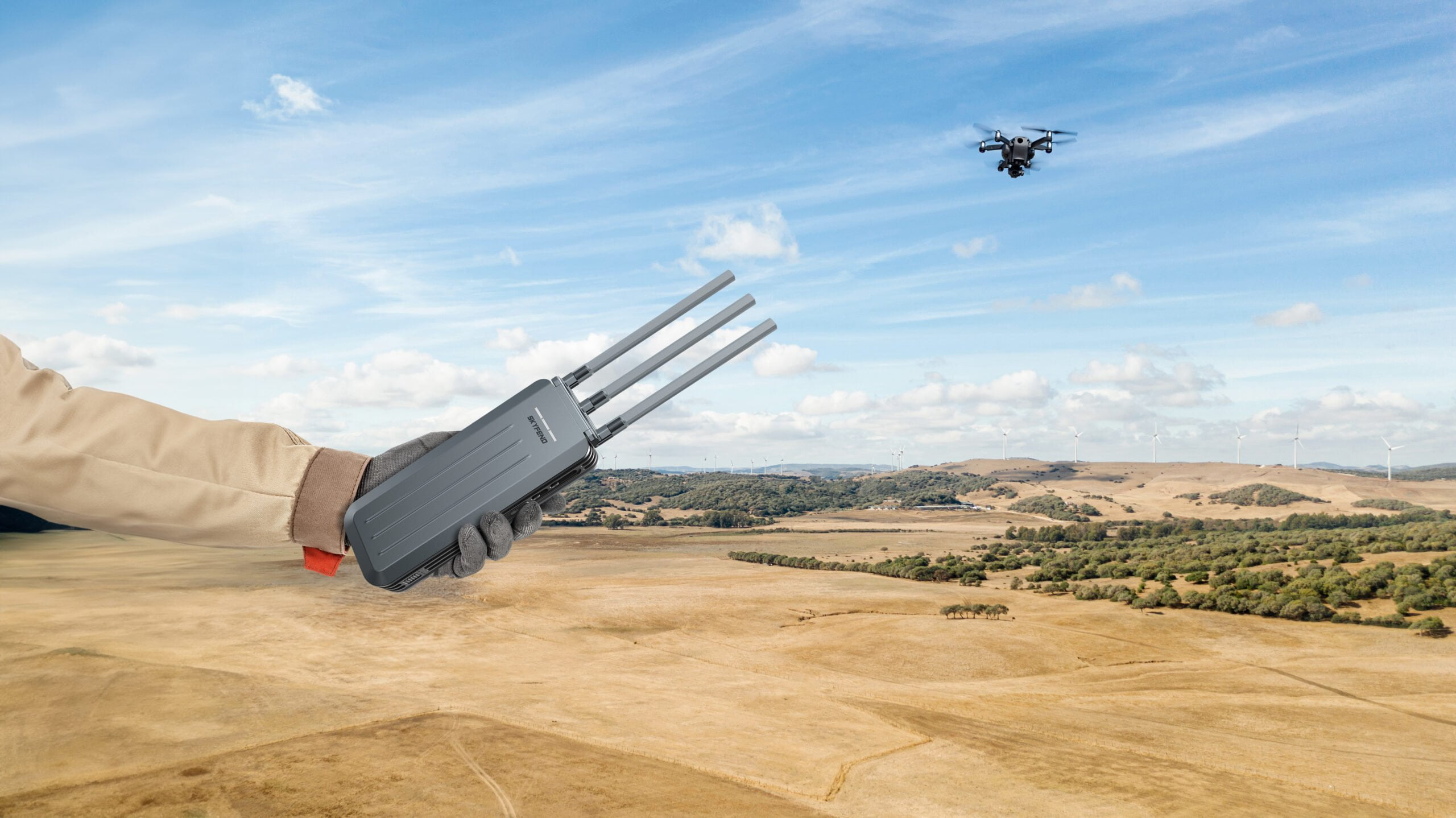
Homeland security and law enforcement agencies are expected to become the most significant end-user segment. These organizations are increasingly integrating jammer technology into layered security programs to protect airports, prisons, and critical infrastructure. Geographically, North America leads the adoption curve with a projected 28.7% growth rate, fueled by the rapid transition from pilot programs to widespread deployment of portable and site-based counter-UAS hardware. Leading industry players currently include Drone Shield, ASELSAN, Dedrone Holdings, and Enterprise Control Systems.


Comments (0)
No comments yet. Be the first!