
The platform arrives as rail operators grapple with the shift from legacy GSM-R networks to the more robust Future Railway Mobile Communication System (FRMCS). Raymond Zuo, President of Huawei's Smart Rail BU, emphasized that the strategy prioritizes safety and efficiency by integrating digital technologies into core business processes. By partnering with industry bodies like the International Union of Railways and the International Association of Public Transport, Huawei seeks to standardize AI applications across global metro and rail systems.
Huawei Debuts Intelligent RAIL 2.0 to Automate Global Transit Networks
At the InnoTrans 2026 exhibition in Berlin, Huawei introduced Intelligent RAIL 2.0, a suite of twenty scenario-based solutions aimed at digitizing rail infrastructure. The rollout focuses on transitioning operations from traditional systems to AI-driven predictive maintenance, aiming to unify construction, passenger services, and freight logistics under a single digital framework.
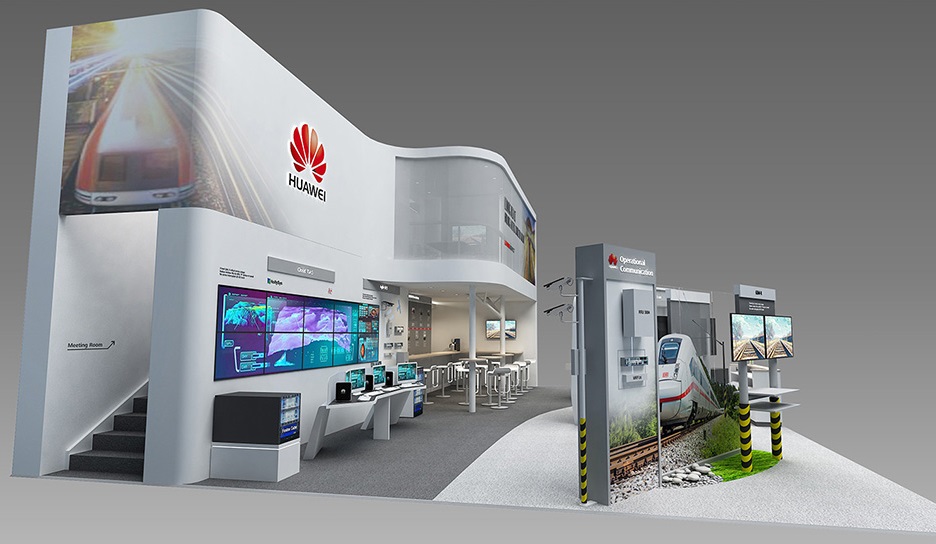
These modular solutions target three primary operational pillars: infrastructure construction, transportation services, and equipment maintenance. The company’s approach rests on a "platform plus ecosystem" model, where Huawei supplies the underlying communication infrastructure while specialized partners develop the tailored industry applications. With a current footprint spanning over 180,000 kilometers of track across 50 major railway customers and 300 urban lines, the company is positioning this second-generation release as a blueprint for the industry's long-term digital evolution.


Comments (0)
No comments yet. Be the first!