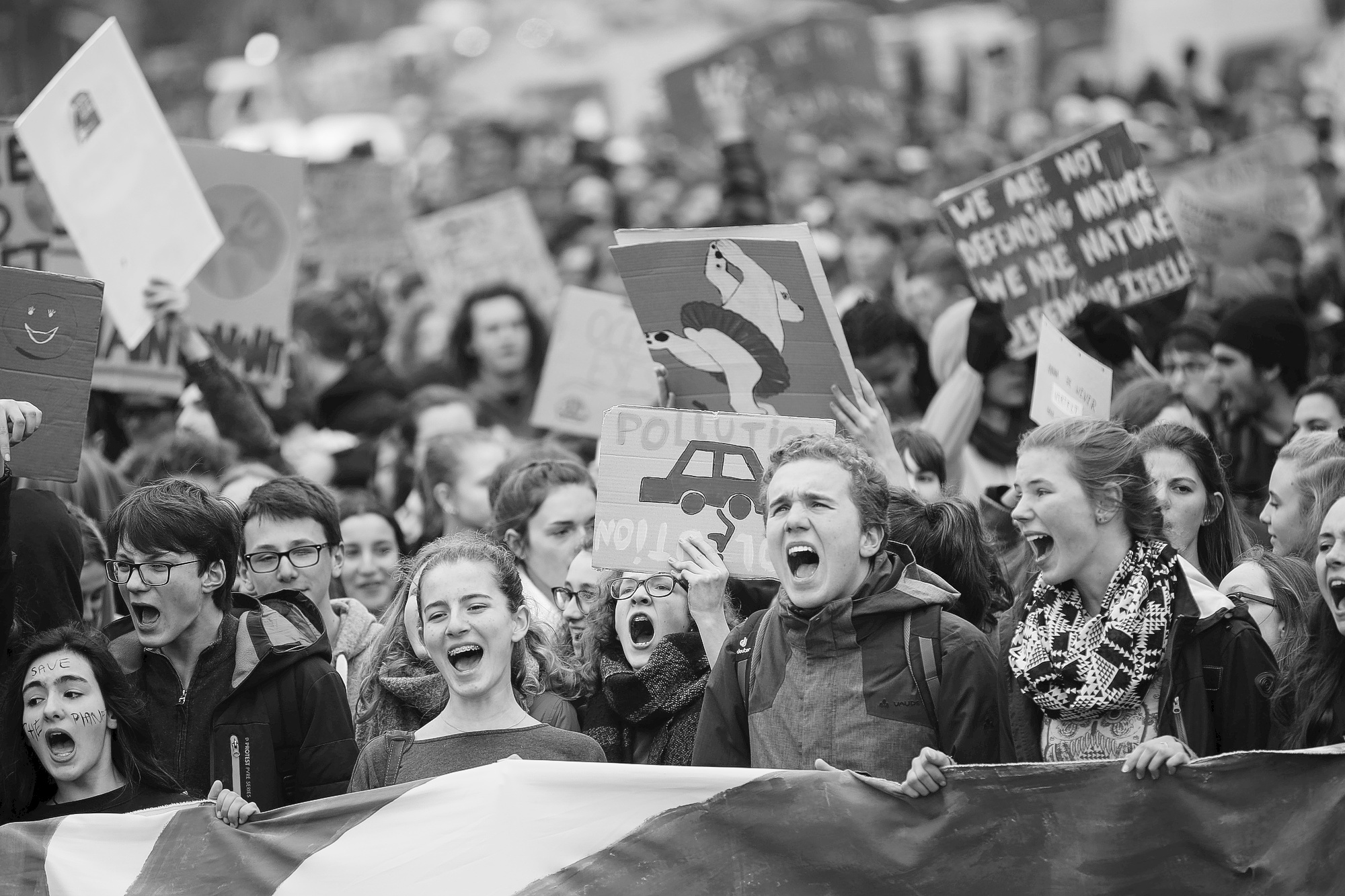
From Porto to Athens, young people have taken to the streets over education, living costs and political accountability. Twelve of the European Parliament’s youngest members told EUobserver that the protests do not signal apathy, but a widening gap between young people and political institutions.
“It is not the apathy some attribute to Gen Z, but a disconnection from the political establishment, because it is not delivering for them,” said Lena Schilling, a 25-year-old Austrian Green MEP. An EU study in October found that 55 percent of young Europeans had taken part in at least one social initiative.
Delara Burkhardt, a 34-year-old German Socialist and Democrat (S&D) MEP, said “fewer political candidates take an interest in young people.” The average age of MEPs is 50, and men in their forties are the largest demographic in the Parliament. Older people are also making up an increasing share of Europe’s voters, according to the article.
French S&D MEP Chloé Ridel, 34, described the shift as “huge” and said young people do not feel heard or represented. The few elected members who speak for them, she added, have “to elbow our way through our own committee.”
The protests have unfolded across the continent over the past two months. French high-school students began demonstrations for better education, drawing up to 600,000 people into the streets, with protests continuing since 17 September. In Spain, a housing movement culminated in the country’s first general strike in 14 years, involving about four million workers and nearly 200,000 protesters. Demonstrations then spread from Madrid to Rome, Lisbon and other cities, where students and neighbours pitched tents in central areas over the cost of living.
Markéta Gregorová, a 33-year-old Czech Green MEP, said the gap between elected representatives and voters had widened differences in priorities and language. She criticised responses to the weekly protests for warning of “chaos and disruptions to public order” rather than addressing what she called the legitimate reasons for people’s dissatisfaction.





Comments (0)
No comments yet. Be the first!