
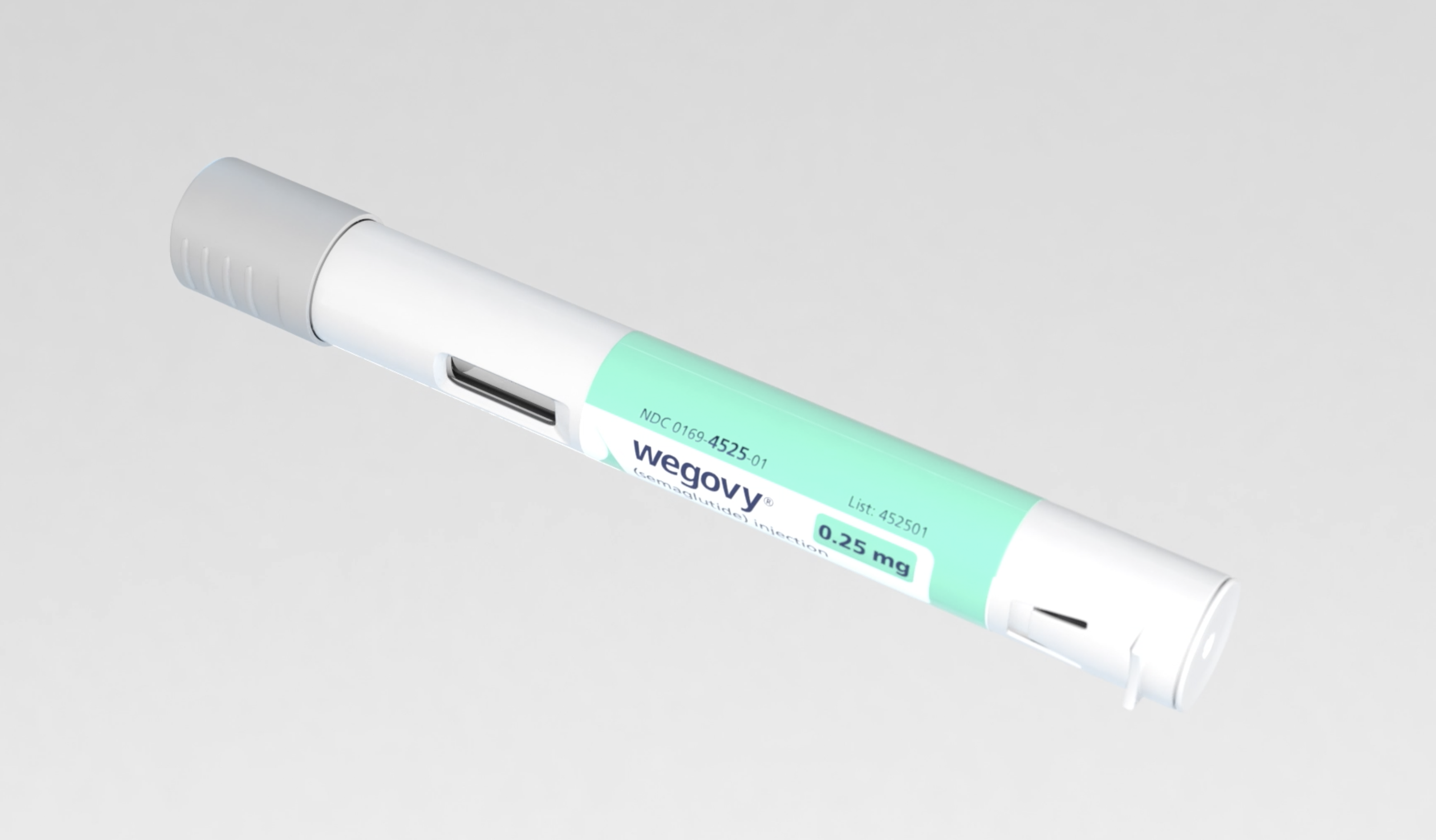
In the SIGNAL study, 26,213 adults with overweight or obesity who started semaglutide injections were followed for up to six months using de-identified data from the Ro telehealth platform. Their average score on a validated seven-item food-noise questionnaire fell by 0.42 points in the first month from a baseline of 2.72. The largest reductions occurred in the first three months; by month six, the adjusted mean decline was 0.72 points.
OCTANE examined 7,669 adults starting oral semaglutide. Among those with food-noise measurements, the average score declined about 25% over three months, from 2.8 to 2.1 (p<0.001). At the three-month mark, 86.4% of respondents reported at least one treatment improvement. Commonly reported changes included better-fitting clothing (67.5%), healthier eating (51.6%) and more physical activity (26.8%).
Both studies assessed food noise—defined as persistent, intrusive and unwanted thoughts about food—with the RAID-FN questionnaire. Novo Nordisk said the findings add to research into patient-reported experiences of obesity treatment. Louis J. Aronne of Weill Cornell Medicine, a co-author, said further research is needed to clarify the clinical relevance of food noise and its role in obesity care.




Comments (0)
No comments yet. Be the first!