
The traditional left-right spectrum fails to capture the complexity of the current Israeli landscape. Instead, the political sphere is defined by four distinct camps: liberal Zionists, nationalists, the ultra-Orthodox, and religious nationalists. Liberal Zionists, represented by figures like Yair Lapid, Gadi Eisenkot, and Yair Golan, emphasize secular governance and democratic institutions. However, their influence remains constrained by a lack of a coherent alternative vision, and they largely avoid addressing the long-term implications of the occupation on democratic norms.
Israel's Rightward Shift Persists Beyond Netanyahu
Benjamin Netanyahu remains the focal point of Israeli political discourse, yet his potential departure would not signal a fundamental ideological pivot. According to Beth Oppenheim, a policy fellow at the European Council on Foreign Relations, the nation’s shift toward ethnonationalism is a systemic transformation rooted deep within the political mainstream.
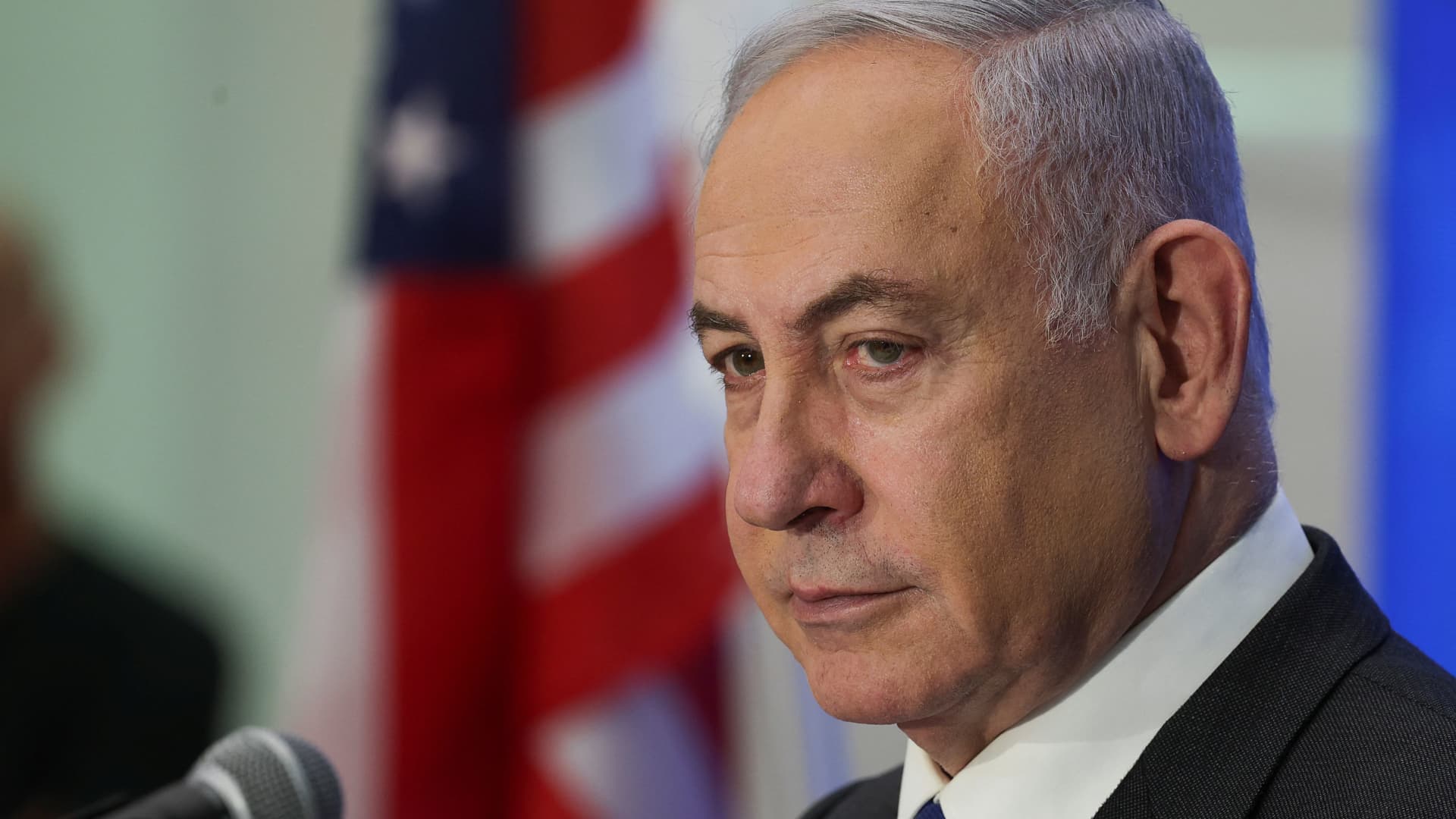
Contrasting this, the nationalist camp, anchored by Netanyahu’s Likud and Avigdor Lieberman’s Yisrael Beiteinu, struggles with the erosion of the Revisionist Zionist tradition. While historically these parties balanced hardline security stances with democratic commitments, the liberal component has largely withered. Meanwhile, the ultra-Orthodox parties—Degel HaTorah, Agudat Yisrael, and Shas—operate through a transactional lens, prioritizing sectoral interests like military exemptions and religious subsidies over foreign policy. With the two-state solution effectively relegated to the political fringe, the structural move toward nationalist policies appears insulated from immediate electoral outcomes.



Comments (0)
No comments yet. Be the first!