
The pact aims to accelerate screening and tighten border controls, yet the human cost is mounting. In Bulgaria, asylum seekers describe an environment of escalating pressure, where the implementation of biometric fingerprinting by Frontex has deepened fears of arbitrary deportation. One Syrian national, held in a closed facility for 18 months, described being blackmailed by guards, noting that despite assurances that screening would target only those with criminal histories, detainees are being removed without clarity.
Europe’s New Migration Pact Faces Reality Check
Since the EU’s migration and asylum pact took effect on June 12, the promise of streamlined processing has collided with a harsher reality on the ground. While Brussels touts the €3 billion framework as a success, migrants and NGOs report a surge in surveillance, detention, and intimidation across member states.
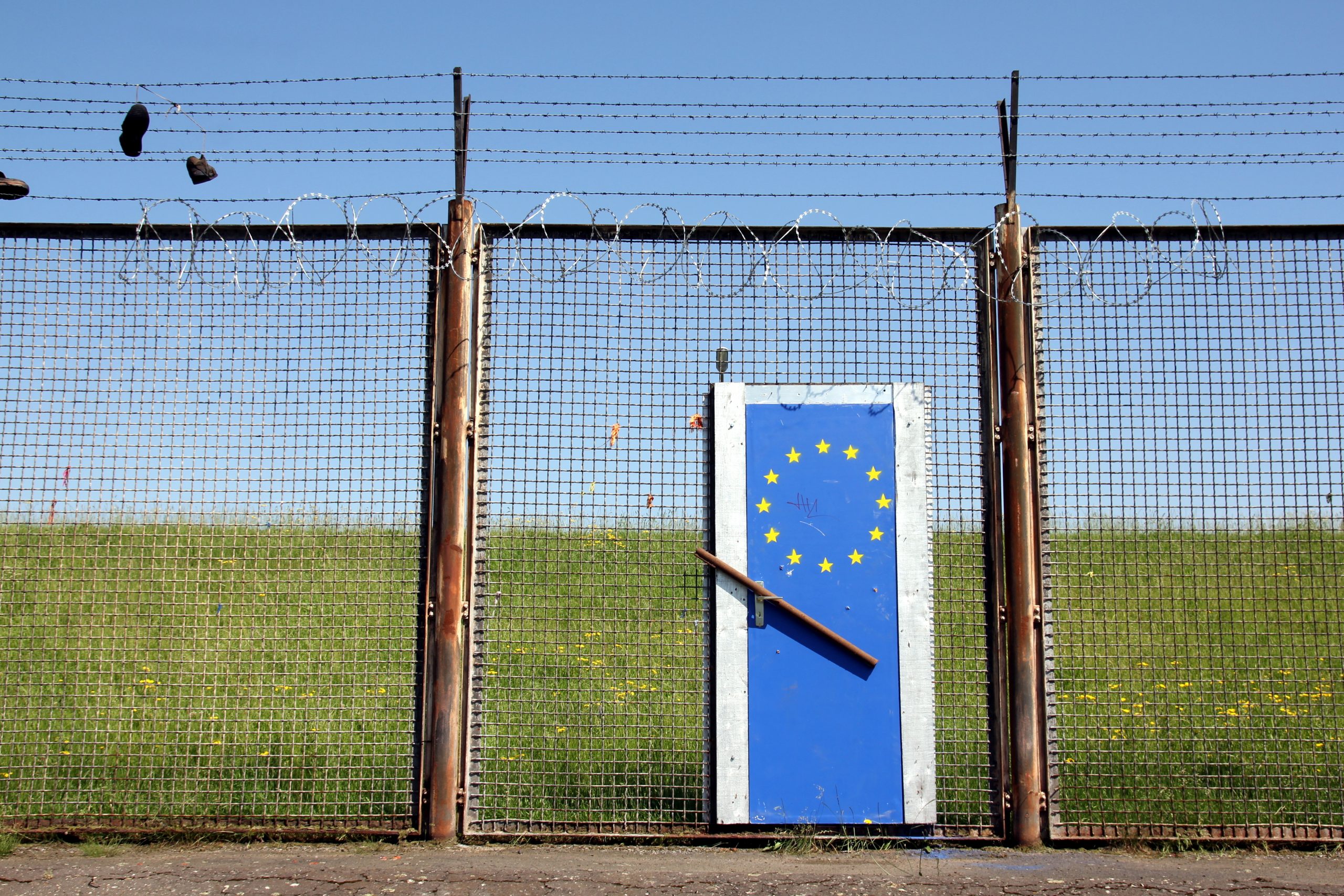
The European Commission maintains the pact is a necessary tool for unity, backed by a sophisticated EU-wide biometric database and stricter rules covering children as young as six. However, the operational reality remains fragmented. At sea, rescue workers from SOS Humanity report that EU-supported Libyan coast guards are employing increasingly normalized violence to block crossings. Far from deterring migration, the new measures have created a climate of oppression, leaving thousands in a state of indefinite limbo while member states struggle to balance political rhetoric with the logistical and ethical complexities of the new system.



Comments (0)
No comments yet. Be the first!